With peace in the East, Germany can finally try to win the war against France in the West, and the clock is ticking before America’s troops make the war unwinnable. In addition to assembling a gigantic army and the largest artillery barrage in history, Ludendorff introduces Storm Troopers and a new tactic of “infiltration” past the defensive strong points to roll up later. But the British manage to retreat instead of breaking, and the final German offensive runs out of steam in August. The tide has turned against Germany. The stalemate is over. It’s the beginning of the end of the Great War.
On empathy and historical investigation as research methods
American writer Ta Nehisi Coates has a new book called The Message and has been saying some things that make sense about Palestine, apparently in the book and during his promotion of it. I am not sure what to make of Coates. He’s a writer, he teaches writing, as he’s been reminded on television recently, he’s been given great awards and accolades and publishes in the highest literary circles of America (all of which, he was reminded on CBS, can be taken away). From what I’ve seen (I will read the book but I have not yet) the book is intended for writers. I’ve always had some discomfort with the idea of identifying as a writer. Writing is a tool; you should identify with the reason you’re using the tool. Hassan Nasrallah’s principal activity was preparing and delivering speeches, but I wouldn’t have called him a public speaker. I have made a lot of youtube videos this past year, but I wouldn’t call myself a youtuber. As for the accoladed writers, there seems to be an agreed-upon illusion that their words have some kind of unique power beyond that of normal writers. You might find the same facts (with or without the citations) or the same insights elsewhere, but there is something special about it when it’s given to you by a Writer. I’m not even above that feeling – I like reading the work of an exalted Writer as much as anyone. I just think it’s a shared illusion that we’re all partaking in. And it isn’t a great time to have illusions. Not about this.
Here I’m not writing about the viral CBS interview clip where some pro-Israel TV host threw all the regular talking points at Coates, who answered them with great ease. I want to look instead about his debriefing of that and discussion of the Palestine part of his book with Trevor Noah and co-host Christiana Mbakwe Medina, on Noah’s podcast. I think some of you may have guessed the part of it that I want to talk about.
Both Noah and Coates say a lot of good things worth listening to in here, for example:
Noah points out that no pro-Israel friend of his can argue that Israel *isn’t* an apartheid state
Coates points out that there can be no justification for apartheid, and that in trying to justify it, Israel’s defenders admit that they believe there can be justifications for racism, apartheid – and now genocide as well.
But among these good things, Coates gets to a moment, around minute 14, where he talks about October 7th, and the discussion here pretty well cancels out the good he does elsewhere in the interview.
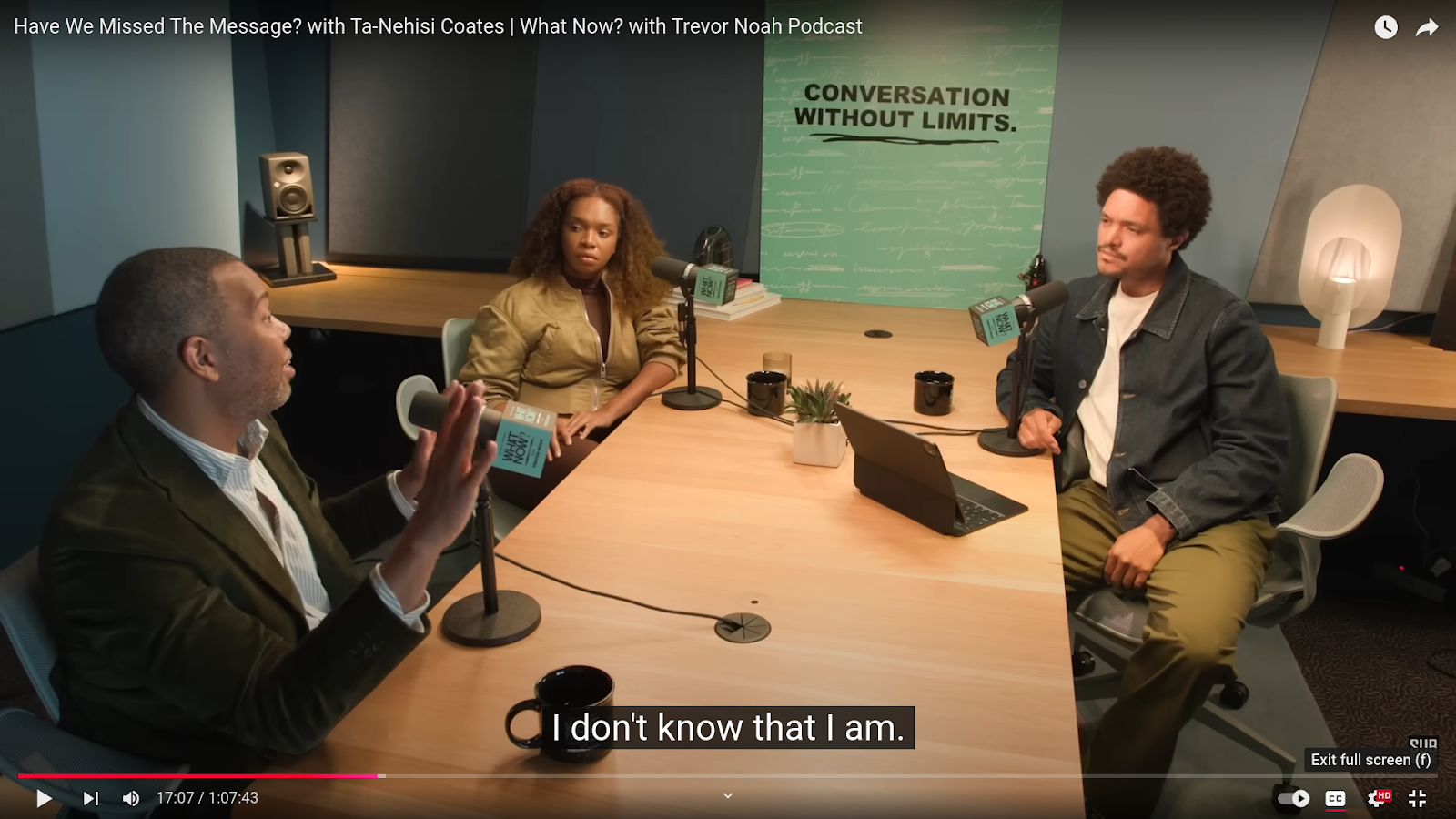
He says, “I try to maintain my great horror at October 7th… because human life really matters to me.” A minute later, he continues, asking the rhetorical question: “Is there room in the world… to have genuine genuine horror about what happened on October 7th? And I’m not Palestinian, I’m Ta Nehisi Coates. There’s no reason that I can apprehend to justify anything like that.”
In his recent interview with Middle East Eye, Coates talks about how he writes much better when he can actually go and see for himself. Indeed Trevor Noah commended Coates for going and seeing for himself and bringing back the words after doing so. But Coates didn’t see October 7th. I have seen everything available to the public that happened on October 7th; I have heard descriptions from journalists who attended the Israeli screening of the footage they assembled for the express purpose of trying to create support for genocide.
What happened on October 7th was an early morning raid by trained, disciplined guerrilla forces on the Israeli bases that maintain the siege on Gaza, a raid whose goal was primarily to take military prisoners that could be exchanged for the thousands of Palestinian prisoners that Israel keeps and tortures. Prisoners who, if Israel has its way, will never be free. One group of fighters from the Qassam brigades, Hamas’s armed wing, were surprised to encounter a rave party, the Nova Music Festival, whose location beside an Israeli air force base had only been announced to attendees just before. Israelis trying to flee this music festival were slaughtered from the air by Israeli helicopter gunships. When Qassam fighters infiltrated into the fortified villages that enclose Gaza, Israelis were also slaughtered in these villages by tank fire from the Israeli army who happily killed Israelis for the chance to kill Palestinians – the new rules that Israel lives by, as I’ve discussed in a previous post.
The “great horrors” that circulated as stories after October 7th, about 40 beheaded babies, about rape being used as a weapon of war – turned out to be fabrications, sourced back to a small number of Israelis whose stories fell apart, as Max Blumenthal details in the film Atrocity Inc.
Here’s the point: Coates didn’t “go and see” for himself. He doesn’t appear to have done any investigation at all. Instead, he has simply accepted the lies told by the colonizer. Given the importance of analogies in Coates’s writing, he should know that colonizers lie about the people they oppress. He should know the kinds of lies they tell, the nature of atrocity propaganda, and the purpose of it in preparing the public for genocidal violence against the oppressed. How many times has this specific pattern of lies recurred in American history? Where has it led, each time? Coates needs to make this connection.
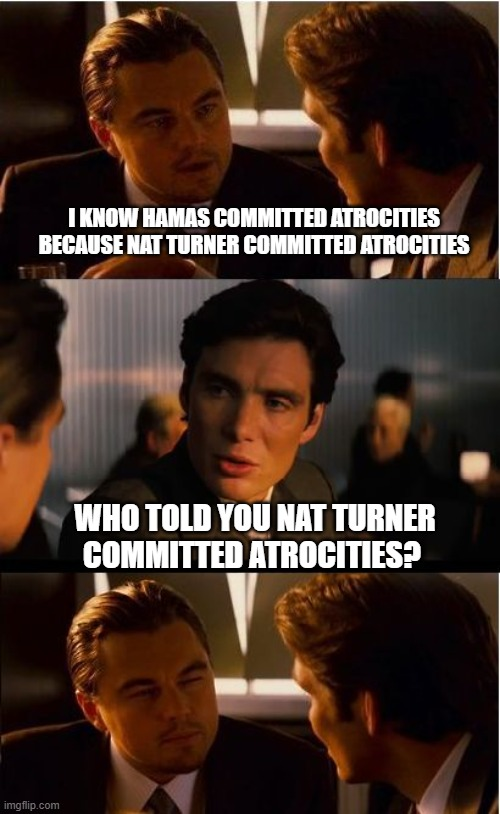
When he does make an analogy to American history, Coates tells the story of Nat Turner’s rebellion – and does so also in a way that doesn’t seem to recognize that slavers could lie about what rebellious slaves did. About Nat Turner, Coates says, “this man slaughtered babies in their cribs.” In fact, as I mentioned in our last tankie therapy session, my first thought when I heard Normal Finkelstein first make this analogy last year (the analogy of October 7th 2023 with Nat Turner’s 1831 rebellion) was that perhaps Nat Turner didn’t commit atrocities either. Having watched the construction of atrocity propaganda in real time this year, it is hard to imagine the slaver society told the truth about Nat Turner’s rebellion in 1831 (by the way I covered this rebellion in my historical podcast about four years ago now). It is incorrect to rely on a history written by the enslavers about atrocities committed during a slave revolt 100 years ago as analogical evidence that atrocities were committed during a guerrilla operation last year.
No babies were slaughtered in their cribs on October 7th. No babies were beheaded. There was, according to the Ha’aretz list, one child who was killed by accident in one of the Israeli villages of the Gaza Envelope. The Palestinian Resistance fighters who attacked fortified Israeli bases on that day were not acting out the degradation of their lives (probably neither was Nat Turner). They were enacting a military strategy and doing so according to their (Islamic) military ethics, which do not allow harm to civilians nor sexual violence. If Coates can listen to Israelis, can give them a hearing, he should also be able to give a hearing to the voices of the Resistance: spokespeople, political leaders, intellectuals. I’ll return to that point below, but let me address how Coates made it even worse:
At 15:48, he says: “I’ve done this thought experiment for myself over and over. Does the degradation and dehumanization of slavery make it so that you can look past something like that? And I think I can accurately imagine that there were enslaved people that said this is too far, I can’t do that. Now here’s the flip side of it. And I haven’t said it out loud. Were I 20 years old, born into Gaza, which is a giant open air jail – if my father is a fisherman and he goes too far out to the sea he might get shot, if my mother picks the olive trees and she gets too close to the walls she might be shot, if my sister has cancer and she needs treatment and if I can’t get the right permit for it she might die? And I grow up under that oppression and that poverty. And the wall comes down. Am I also strong enough or even constructed in such a way where I say, this is too far. I don’t know that I am.”
This thought experiment has nothing to do with reality. Coates has tried to use empathy and imagination but he doesn’t have the factual foundation to get where he is trying to go. It’s true, the conditions in Gaza are like he describes – worse, in fact – but that has not installed in Palestinians a drive to go and commit “great horror”. Palestinians have a drive to be left alone in their land. Palestinians have a drive to study and pursue education. Many Palestinians have a drive to take care of the land in their Mediterranean ecosystem of olive and orange trees. The Gaza-grown, vengeful Ta-Nehisi that Coates is trying to imagine doesn’t exist. The real people weren’t waiting for a chance to get even, or inflict the degradation they’ve suffered on their oppressors. They were waiting for a chance to get their freedom and to get their land back, and they did so in an organized armed struggle, not chaotic violence. There’s no need for this kind of imaginative exercise when the facts are available.
Immediately after this interview, some cartoonish Israeli writers took this thought experiment and ran with it to defame Coates. By using his imaginative exercise to defame the Palestinian Resistance and by avoiding investigating for himself what actually happened on October 7th, Coates rendered himself defenseless against the pro-Israel lobby’s smears. Coates first decided to believe the lies about “horrors” on October 7th, then said he didn’t know if he had the strength to not commit such horrors. This was all unnecessary: the facts of what happened don’t match his implication and the logic of the Resistance exists entirely outside of the idea of inflicting reciprocal degradation.
Coates is a writer who uses autobiography and his background is an open book. His father was a Black Panther and the publisher of Black Classic Press, which published many important Black intellectuals. Some of what Coates says on Noah’s podcast suggests that he missed many of the important points that these intellectuals were making. He says that in Israel, he saw “some of the nationalist impulse that I grew up under”, but “taken to the Nth degree.” But Zionism is nothing like Black Nationalism taken to the Nth degree. Zionism is a form of colonialism, and Black Nationalism is an anti-colonial ideology. At 24:45, he says about Zionism:
“I can feel the parallels, the fraternity for it and the sympathy, I understand it. But you see where it goes. And a people who have been repeatedly degraded over the centuries, massacred, killed, chased, ethnically cleansed themselves out of Spain, can go somewhere and create a system of dire inhumanity against other people. That was a challenge for me as a Black person, because I started thinking, what would we be if we had power? What would we do? “
[One day I might return to this historical question of medieval Spain, which I happen to know a lot about – but it’s a huge mess and Coates bringing it in here adds more muddle to the thinking, not less.]
The belief that Coates holds that Black people, in power, would become Zionists, is incorrect. Not because it isn’t humanly possible – of course it is – but because it shows a lack of understanding of what Zionism is. Coates relies too much on the analogy he has made between two things that are much unlike one another – the Black nationalism published by W.P. Coates’s press (John Henrik Clarke, Bobby Seale, Amiri Baraka) – and the Zionism of Herzl and Jabotinsky, of Bill Clinton and of Netanyahu. Zionism, as I’ve documented here in an eight-part series, is an anti-Jewish ideology. And as I’ve documented in my historical podcast, it was an ideology of its time – and that time was the Scramble for Africa – and that ideology was of European colonization. You can like it or hate it, but Black Nationalism has nothing to do with this. Coates knows this, but it seems to slip through his fingers in his over-empathizing and his over-connecting of these ideologies.
The tree from which Zionism springs is the Anglo-American colonialism whose settler colonial branches live in Canada, the US, Australia, New Zealand, and whose devastated post-colonies in Asia and Africa continue to pay trillions in tribute (tribute given various names: repatriated profits, brain drain, suppressed wages, interest on debts…) to their former colonial masters.
The tree from which Black Nationalism springs is the tree of resistance to all of this, and it shares much with other ideologies of national liberation from colonialism around the world. European colonization of the world is a few centuries old and in terms of technological and ideological sophistication (including specifically the deployment of lies) it is unique. When Coates says that it isn’t unique to Zionism but it is a “human problem”, it’s another case of over-empathizing, this time with European colonialism:
“This doesn’t work if you can’t see yourself within Israel and within Zionism. If you think this is just evil people doing some evil thing, you’ve missed it. This started somewhere. Once I started reading the documents about Zionism, on one level, I recognized the colonialist discourse, but the other part was I recognize the yearning.”
But Zionist yearning, for a colony, could not have been more different from Black Nationalist yearning, for liberation. To achieve hegemony over the Jewish community, Zionists had to defeat both religious and secular Jewish traditions and identities. There were Jews who yearned for liberation from European racism, who Coates should empathize with. But they were not Zionists.
In an article about The Message, one of Coates’s friends said that Coates goes through a very public learning process. He’s approached his study from the wrong direction, starting with Zionist intellectualism and discovering the evils that occur as it’s applied on the ground. For the next phase of the learning process, the Resistance’s intellectuals should be the avenue of approach. As a writer’s writer, how about the late Refaat Alareer? Ghassan Kanafani would be a good one to have on the shelf. Salman Abu Sitta is way underrated. Hassan Nasrallah’s speeches. Abu Obeida’s speeches. Yahya Sinwar’s novel too. Since Coates has already said that he doesn’t care about the awards and accolades, that he wants to be a writer to go into those kinds of places, that’s the direction to head in. More historical investigation. More reading the words of those who never had illusions about Zionism in the first place.
The Bolsheviks had made their revolution promising Peace, Land, and Bread. But peace meant a deal with Germany, which could bring British and French subversion of their nascent revolution. How could Lenin get out of this impossible dilemma? By sending Trotsky to lead the negotiations with Imperial Germany. Did Trotsky go rogue? Was he following Lenin’s directives? Was he playing 5D chess? We conclude: he probably was.
It’s 1917. The French are suffering mutinies and the Entente is desperate for a breakthrough anywhere. It’s not to be. Arras, Vimy Ridge, Passchendaele, Cambrai, and Caporetto – hundreds of thousands of men killed and no breakthrough. At the end of the year, the Germans have reason to believe they could win the whole war in the West if they could conclude a peace with the newly Bolshevik Russia…
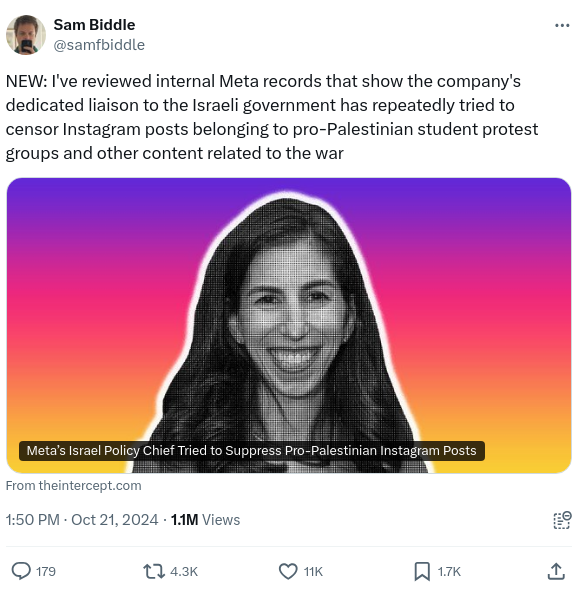
Reading about Meta’s Israel Policy chief the other day reminded me that there are real human racist decisions without which “algorithmic suppression” cannot happen. We are deceived by the idea that our screens are controlled by “algorithms”. Actually, they’re controlled by racists.
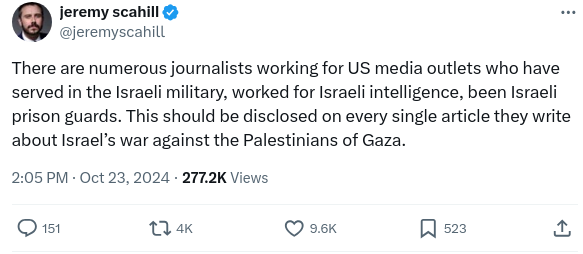
Tech executives working with genocidal governments decide which news items we can see on our screens: news editors decide what those items contain. CBC policy, BBC policy, and a revolving door between the Israeli military and American journalism, as Jeremy Scahill mentioned.
That’s why I never saw the point of the supposedly groundbreaking stories about Lavender AI or the Where’s Daddy algorithm for killing people in Gaza. Really? Is an algorithm driving the bulldozer over hundreds of people? Is an algorithm dressing up in dead women’s underwear, playing with dead children’s toys, and taking photos for dating sites?
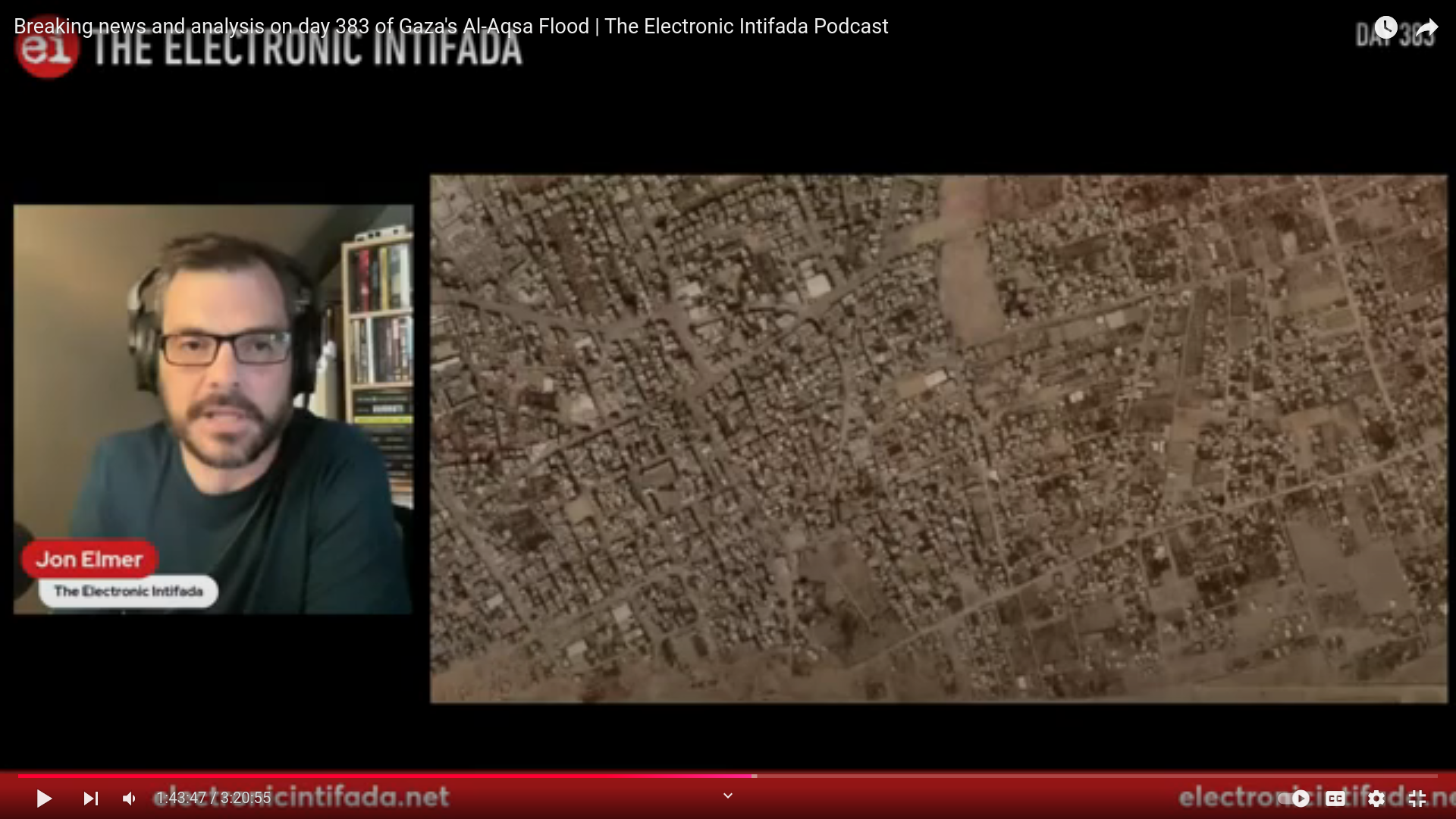
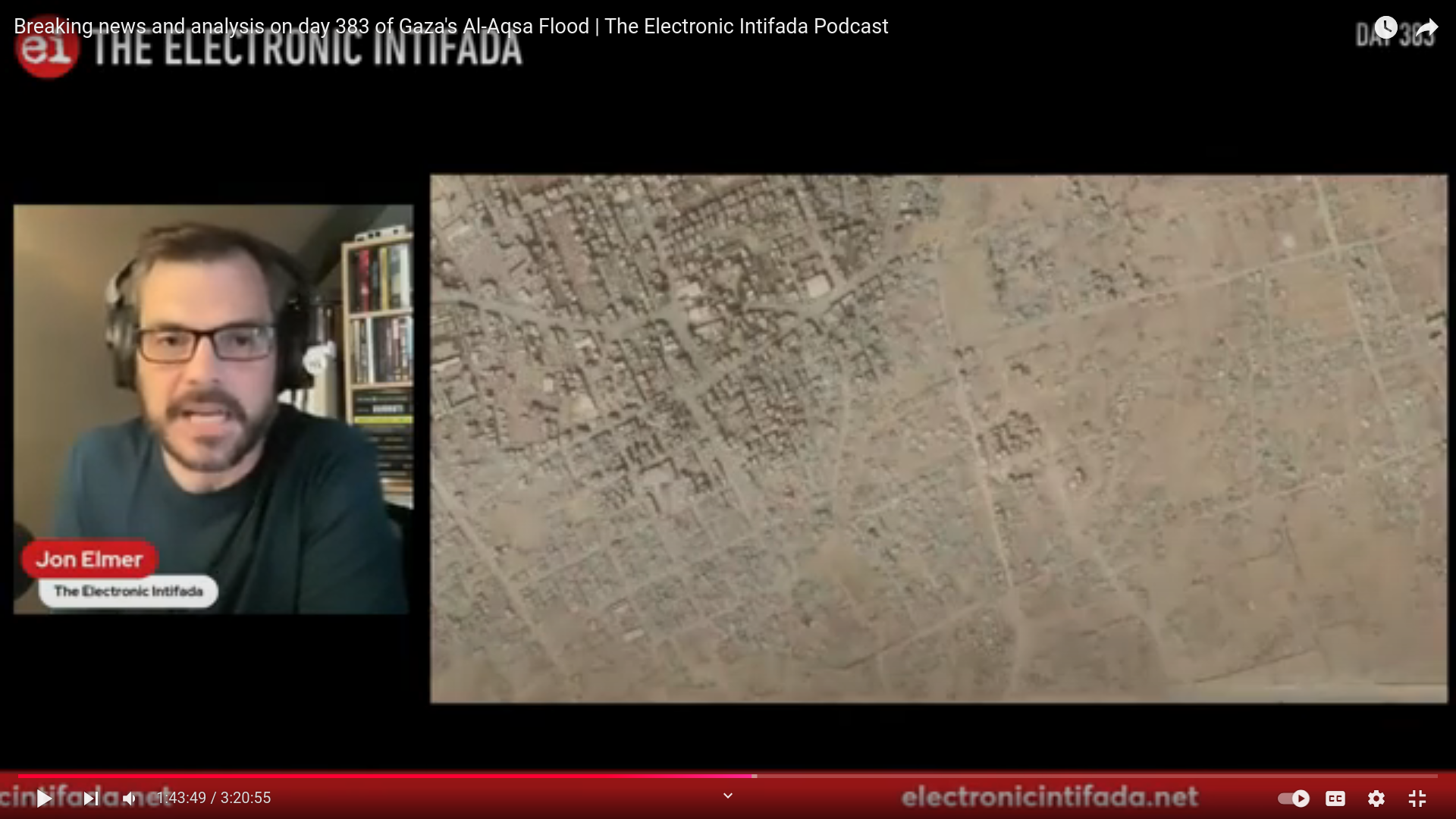
On today’s EI Livestream, Jon showed some aerial imagery from Rafah of before and after.
It’s not serious to think that any intelligence, artificial or otherwise, was applied in doing “targeting” that led to this destruction. We are talking about how many multiples of the Hiroshima nuclear holocaust’s worth of ordinance have been dropped on Gaza at this point (I think it’s around 4x now and counting). There’s no intelligent algorithm needed, only the sheer depravity to take the decision, the American bombs to drop, and the American planes to deliver them.
Well, that’s not all that’s needed. Because in north Gaza right now it’s a very intimate, hands on holocaust. In the Sde Teiman torture / death camp, it’s a hands on holocaust.
And according to a CNN story and an Israeli media story this past week (the latter written up in the Cradle), doing the genocide is driving the perpetrators crazy – so crazy that they can’t even talk about what they did in direct language, even in the expose. Instead of talking about the trauma of what they did, they talk about what they saw. Instead of talking about what they’ve become, they talk about being depressed and unmotivated. Their army psychologist tries to help them “normalize” the atrocities, but the subject of the CNN story killed himself. Can human compartmentalization be so total that you can commit mass murder and then retain the sense of the preciousness of life that you need to have relationships? Can racial supremacy really get you that far? It might not.
It’s a word I heard my whole life but I only bothered looking it up a few years ago: shibboleth, meaning a word that distinguishes one group from another. Speak for a few seconds and I’ll know from just a few words whether you’re pro- or anti-genocide.
Anti-genocide shibboleths include using the word “genocide” to describe what Israel is doing; using the word “resistance” to describe the people fighting Israel; using the word “martyr” to describe someone Israel has killed.
Pro-genocide shibboleths include calling the victims “terrorists”, phrases like “Hamas embeds in civilian areas”, “Hamas uses human shields”, and repeating the lies about October 7th.
I wrote last year that as far as the pro-genocide and anti-genocide sides go, that as they reject our (facts) and we reject their (lies), that soon “there will be no reason to talk to one another and no desire on either side to do so.” We’re pretty nearly there – not sure about you but I get less and less from watching anti-genocide people go on debate platforms to have it out with the genocidals (usually with a genocidal or fake friend of the anti-genocide movement hosting).
It’s good to keep track of these shibboleths. Knowing them can help: on the anti-genocide side we need to learn to find each other quickly and recognize who’s a waste of time. There isn’t any time to waste. Every day that our efforts fail carries an intolerable cost.
On the messages sent between occupier and Resistance
Over the past year I have tried to focus on the military question in the expanding war / genocide the US / Israel has been waging on the Palestinians, Syrians, Lebanese, Yemenis, and Iranians. As figures from the Resistance have said and reiterated, the issue will be decided on the battlefield. And although struggle in all these areas has a role to play, the issue also won’t be decided in the feelings of the oppressor communities nor even in Western genocidal media, campuses or streets. Military affairs require extensive study, encompassing the particulars of weapons systems to topography and maps, to supply chains and logistics, to propaganda and morale. History is always the principal tool, but used with caution: the future is different from the past and the present is maximally dynamic.
The quintessential Western military theorist, von Clausewitz, the subject of a previous post of mine, described war as an extension of politics. Politics involves communication between enemies, and so does war.
Israel, and following it the whole West, has transformed itself over the course of the year. It presents itself as a new and different kind of opponent. All year I have wondered about the long-term consequences of such a voluntary self-transformation. Let us now focus on the image Israel is trying to project, how it communicates that new image, and how this will ultimately compel the Resistance to transform as well.
If you’ve followed the utterances of genocidal Western elites or of Israelis, you’ll hear a lot of pedagogical language. “The Yemenis are about to learn why we don’t have free healthcare”, said one memorable tweet. “We will teach them a harsh lesson,” a repeated theme. But what exactly is the lesson? If you were to ask an Israel advocate, they would say probably that the lesson is “don’t mess with Israel”, as Israeli bots like to add under anti-genocide posts on social media. But the strategic lesson Israel seeks to teach its victims is a bit longer. If it could be spelled out, it would be more like: We can do whatever we like to you, and if you resist we will make it even worse for you. That there are unimaginable punishments in store for those who resist is the most important lesson the oppressor, the abuser, wants to teach.
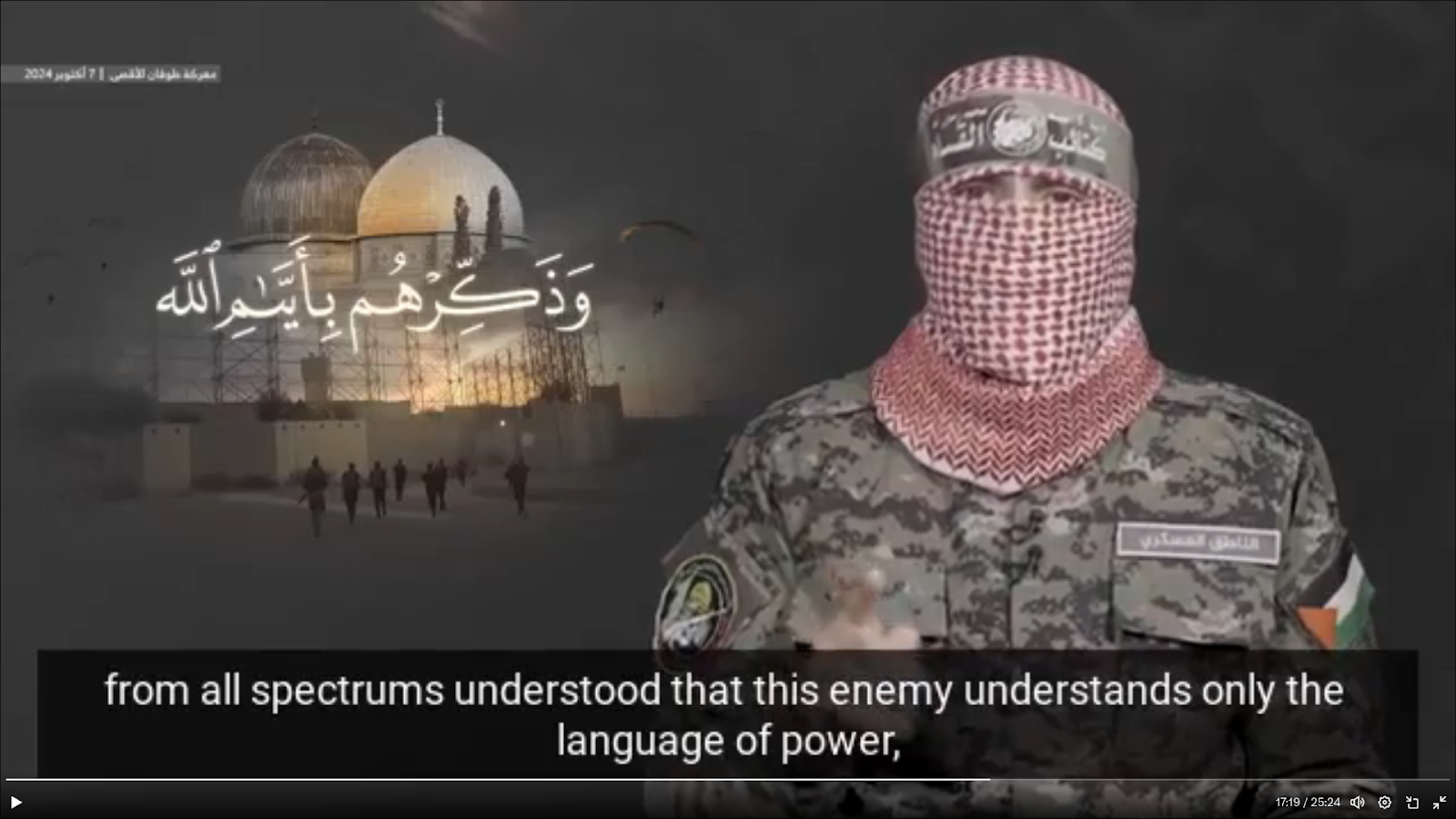
In his speech on the anniversary of al-Aqsa flood, the spokesman for Hamas’s armed wing, the Qassam brigades, Abu Obeida, intimated that the operation of Oct 7/23 was a pre-emption against an Israeli plan against the al-Aqsa mosque, a pre-emption of an Israeli plan to advance the ethnic cleansing of the Palestinians. The arrival to power in Israel of the Kahanist settler movement would give credence to this line of thinking.
Abu Obeida’s speech declared an understanding of Israel to “only understand the language of power”.
If the Oct 7/23 raid was indeed a pre-emption, it explains why the Israelis were so ready for October 7/23 in every way but defense. While they didn’t repel the raid, they managed to deploy their helicopters and ground forces to kill hundreds of Israelis to prevent them from becoming captives that might then be tradeable for thousands of Palestinian prisoners, in a “mass Hannibal” event. Israel was prepared to destroy houses full of Israelis in the kibbutzes. This is one of the messages: Israelis would die so that Palestinians could remain imprisoned, Israelis would die so that Palestinians could be killed. Israelis are willing to die for the sake of imprisoning and killing Palestinians.
Israel and its advocates were ready with a package of lies about atrocity crimes, lies that people who knew the dynamics of the conflict and its antagonists instantly recognized as such and fairly quickly proved their case – not that it mattered for Western media and politicians who repeat the same lies a year later. The specific lies about atrocities against children and lies about sexual violence are more than just standard colonial tropes. The point of the lies is a deep one. Morale is the key to the anti-colonial struggle. The preparation and propagation of lies about atrocity crimes were designed to make supporters of the struggle ashamed. To make the operation of October 7th a shameful operation. To sap the elation of courageous fighters entering their homelands for the first time and successfully taking the fight to their invader, and instead force supporters to defend against accusations of the worst crimes. Israel has conducted several successful genocidal operations over the year, but the atrocity propaganda operation is one of its most successful. And here is another message Israel sends its victims: We can turn your victories into shame, because we control how the world sees you. The goal is both demoralization and isolation of the Resistance’s cause from friends and allies who are silenced by the viciousness of the lies.
After massacring Israelis and preparing the full package of atrocity propaganda, Israel quickly moved into genocide mode, announcing intent in advance and then proceeding to impose food, water, and power blockades, methodically destroy Gaza’s health care system, hospital by hospital, while targeting children and boasting about it to the world. The lies they told to justify these massacres – of human shields, of command centers under hospitals and schools, etc. – were never meant to be believed. Their target was the oppressed: We can lie about you and we will be believed, not you.
Israel was so ready with the whole genocide package that some came to believe that the Israelis knew about the Oct 7/23 attack and allowed it to happen. I’m not among them: I think Israel was ready with an accelerated genocide plan because Israel has always been ready with an accelerated genocide plan. Israel came into existence in 1948 through an accelerated genocide plan, and everything it has done since has been to add more and more American technology to the unfolding of that original plan.
Israeli strategy is open-ended and opportunistic: grab what is possible. If limits are hit, wait for the next opportunity – or force one. Israel made a plan to force the people of Gaza into Egypt’s Sinai (and then occupy it, of course) and discarded it when Egypt demurred. Israel has enumerated many plans for the post-war occupation of Gaza that assume they’ve won the war and defeated Hamas. More can be grabbed when the oppressed are demoralized than when they are hopeful. This explains the message sent by the revelling in atrocity – dressing up in dead women’s underwear and playing with dead children’s toys, demolishing universities and mosques, etc. You have suffered so much because you resisted. This destruction is your fault.
This last message, the abuser’s look what you made me do, is Israel’s most important one for the subjugation of the Palestinians (and now Lebanese, Syrians, Yemenis, Iranians…). The total destruction is spun as the victim’s fault for the logic of subjugation, analogous to the way Resistance successes are spun as atrocity crimes to try to achieve the isolation of the Resistance. Destruction and lies, subjugation and isolation. These are the messages sent by the colonial power to those who would resist.
Adapting to the colonizer’s classroom
Long term, subjugation is a pipe dream. One of the most spectacular projects of colonization (which the early Zionists tried to participate in) was the Scramble for Africa, when all the Great Powers of the 19th century – far more powerful in relative terms than they are now – got together to colonize the immense continent of Africa. They had a formal meeting, the Berlin Conference, in 1884 and had rolled up most of the continent within a couple of decades, killing millions of Africans in the process and during the colonialism that followed. Africans threw most of them out by the early 1960s. Africa expelled the invaders even though their leaders were murdered; even though their people were displaced and genocided, imprisoned and tortured; even though they lost most of the battles they fought with their technologically overpowered colonizers. Faced with the look what you made me do carnage, decolonizers put their heads down and kept fighting. Faced with the 19th century version of atrocity lies, the claims that they were savages, not ready for self-government, two-legged beasts, racial inferiors etc., decolonizers once again put their heads down and kept fighting.
In the current war, the anticolonial resistance has actually challenged Western media and narrative control of the colonial power – something the 20th century decolonizers hardly even tried to do. The armed resistance has also gone beyond trying to survive (win or lose) until the colonizer has to leave. Instead it has tried to impose a different “equation” on Israel. The Resistance always talks about “the equation.” Besides the escalation ladder, the equation is the most pervasive metaphor used to describe the battle with Israel.
Trying to take Israeli prisoners to exchange for Palestinian prisoners was an attempt at creating an equation, one that had freed many Palestinian prisoners in the past, and one that could equal freeing all Palestinian prisoners if the calculation was correct. This is the equation Israel was trying to cancel through the formalization of the Hannibal doctrine: the willingness to kill Israelis before, during, and after capture, to make sure Palestinian prisoners remained captive and hopeless.
Creating armies and Indigenous arms industries that could challenge and defeat Israeli ground forces was an attempt at creating an equation, one that the Resistance hoped could deter Israel. Once the message was firmly sent that Resistance ground forces could not be defeated by the Israeli army, there could be talk of a long-term ceasefire that was not on the basis of subjugation. Israel is trying to cancel this equation in two ways: by showing willingness to send the Israeli army in again and again and use media strategy to claim victory even if there wasn’t any on the ground; and use their superior air force to commit genocide from the air, returning to the message of look what you made me do.
Open equations
Several equations remain open.
In 2012, Nasrallah promised a yet new equation: if Israel again destroyed Beirut from the air the way they had done in 2006, Hezbollah had missile capabilities to do the same to Israeli cities. In 2024 Israel has set out to test whether this is the case, by assassinating Nasrallah and bombing Beirut exactly as Nasrallah promised would bring the destruction of Haifa. Haifa still stands, but the war is just starting.
In 2023, Ansarallah in Yemen announced that they would be blockading Israel and attacking any ships that tried to go to Israel for any reason, until Israel ends the genocide and the blockade on Gaza. The US sent their Navy to try to get Yemen to back down, which they did not. The US, UK, and Israel have bombed Yemen many times over the year. Each time Yemen emerged to resume their blockade and their attacks on Israeli shipping and the US navy. Israel has announced that it wants to assassinate Yemen’s leaders; Yemen announced that they have implemented new security measures… and resumed launching missiles and drones, including on Tel Aviv.
In April 2023, Iran attacked Israel with a series of drones and missiles after Israel attacked the Iranian consulate in Syria. In October 2024, Iran attacked Israel again, after Israel assassinated Hamas leader Ismail Haniyeh and Hizbollah leader Hassan Nasrallah. Israel has promised that it will attack Iran, and Iran has promised it will attack Israel again if that happens. If there’s an equation here, no one knows the variables yet.
In addition to the above three open equations, to repeat the other communications so far:
Israel tries to tell the Palestinians that resistance is futile. The Palestinians do October 7/23. Israelis claims the story of October 7th and paints the event as an atrocity crime to isolate Palestinians from allies and demoralize them through a demonstration of media domination and Western message discipline.
Israel commits aerial genocide to show Palestinians and now Lebanese that they should submit to Israel’s will. Resistance ground forces fight to show that they can keep fighting as long as it takes.
Israel takes thousands of Palestinians prisoner and tortures them to try to demoralize and subjugate the nation. Palestinians take Israeli prisoners to try to get an exchange. Israel responds by showing a willingness to kill Israeli prisoners rather than let an exchange happen.
Another Resistance message that would confound Westerners if they knew (which they don’t) is their adherence to the rules of war as they understand them. Hizbollah and Iran both conducted missile strikes which they said were revenge for assassinations and massacres, revenge that inflicted almost no casualties. While Qassam in Gaza has fired on attack helicopters with shoulder-launched missiles, they have not fired on medical evacuation helicopters, content to watch and film them. Despite the most daring campaign of lies about October 7th, returned Israeli hostages have reported that the Resistance did not abuse them and repeatedly told them “we are Muslims, no harm will come to you” – the same phrase that Ansarallah told the crew of the Israeli ship (Galaxy Leader) when they took it over and sailed it to Yemen last year.
Westerners assume Resistance captives are abused like Israeli prisoners are.
This message seems to be: No matter how low you sink, we will not abandon our (Islamic) principles of fighting honorably. Perhaps Israel will succeed in eliminating the honorable warriors and Westernizing the next generation, one day to face an opponent more like themselves. From the Resistance perspective, there are probably two reasons they stick to their beliefs: first, because they draw their strength from the same place that these beliefs come from; and second, perhaps, because they view themselves as the future government of all of Palestine, and are fighting the war on the same principles with which they wish to rule.
An Israeli medevac helicopter, coolly observed from the camera of a Resistance fighter.
What happens in Year 2?
As the Resistance has tried to drill the lesson that aerial destruction will not defeat us on the ground, Israel has tried to drill the same lesson from a different perspective: repeatedly defeating Israel on the ground will not protect Palestinian and Lebanese civilians from aerial genocide. Nasrallah’s 2012 deterrence formula, that the destruction of Lebanon’s cities will lead to the destruction of Israel’s cities, has been taken as a challenge by Israel, which is forcing Nasrallah’s successors to either follow through on the threat or accept that nothing can stop Israel from committing genocide safely from afar.
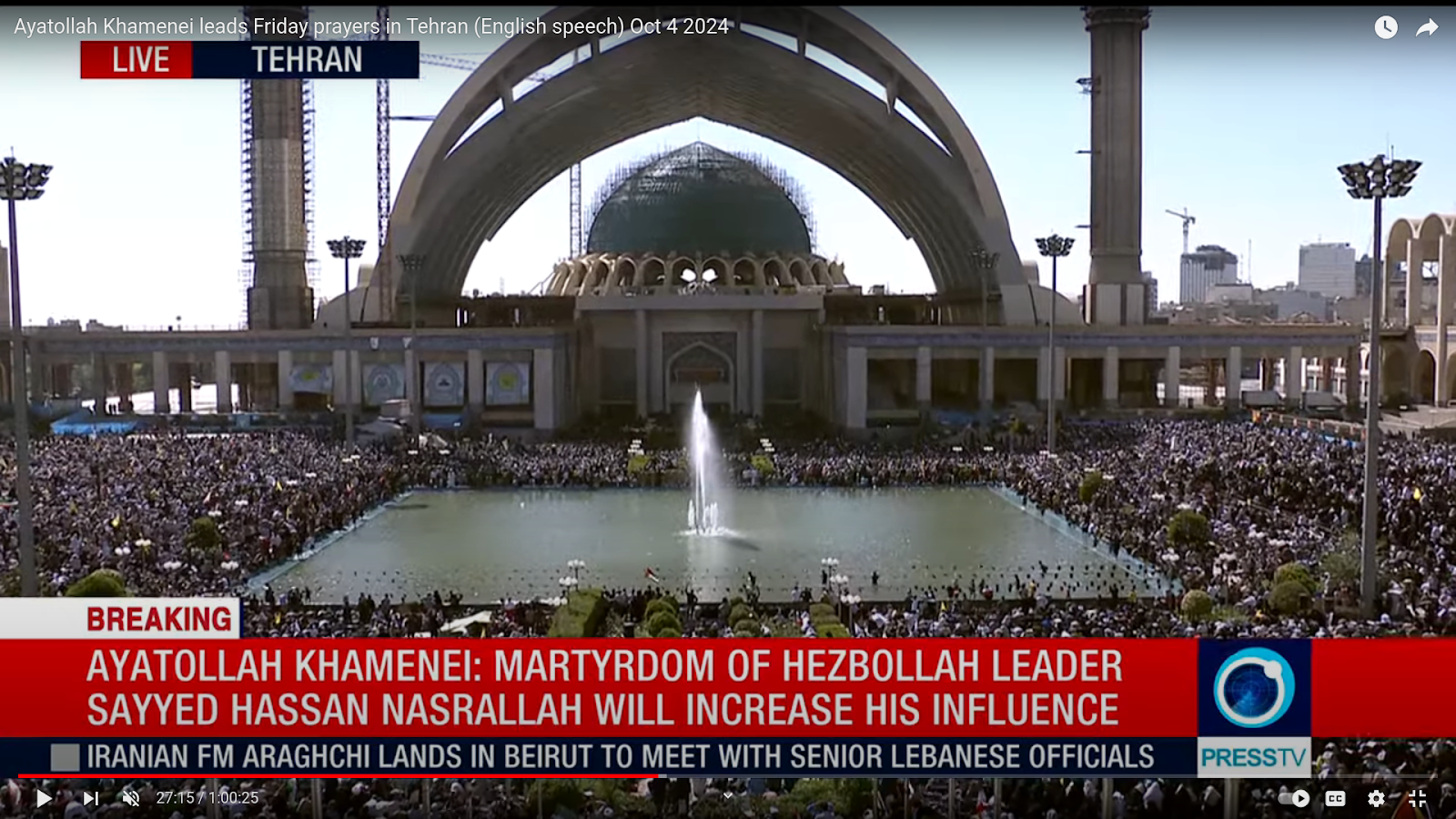
As Israel drills the lesson that we will not be deterred regardless of military casualties, it is arguing that it will not make concessions, not negotiate, and will continue war while it has the ability to do so. The Resistance took prisoners and established military forces towards a long-term ceasefire with a prisoner exchange. Israel’s reply: while Israel exists and while the US is based there, there will be genocide against the peoples of the region. The Resistance did not believe in Year 1 that conditions were right for bringing matters to a decision like this – the most statements by the Ayatollah and by Abu Obeida suggest that the Resistance has come to realize that the US/Israelis believe they can genocide to victory.
The Ayatollah said “when they finish with one country, they move on to the next.”
As Israel has drilled the lesson that we would rather kill our own people than let them be exchanged for Palestinian prisoners, the only way of freeing the Palestinian prisoners without an exchange is the Khiam model (when Hizbollah drove the Israeli occupation out of southern Lebanon in 2000 and liberated the prisoners by liberating the prison).
As Israel has drilled the message that we have the narrative mastery to tell your story including whatever lies we wish, the Resistance has made strong efforts on the war propaganda front through videos that depict their continuing capability and ability to inflict losses on the ground, as the unarmed resistance challenges the lies using whatever media are available through censors and monopoly control. This, too, is an open equation. The truth doesn’t always prevail, and we don’t know whether it will prevail here. All we can do is tell it.
Israel is still planning to attack Iran and dramatic events are certain to occur in the coming days. Can the Resistance win? Nasrallah said that war is like this – one day for the enemy, one day for you. The US and Israel could assassinate even more people, Israel’s army could collapse and be backfilled by the Americans directly. Maybe they’ll blow up the world.
Let’s suppose they don’t, since there’s not much point in continuing this post if they do.
Suppose they don’t and that they win the war, somehow destroying Hizbollah in the mountains of Lebanon, completing the genocide and starving the fighters of Hamas to death, cleansing the Palestinians of the West Bank to Jordan, destroying Iran’s missile abilities, crushing Iraq, perhaps miring Yemen and Syria in fratricidal wars? Then Israel will have bought itself a decade or two of tranquility to dance again in the ashes. And in a generation, a new war, in a totally different geopolitical and technological world than today’s, with foes that make it long for the enemies of today, who were foolish enough to think they could force a Western enemy committed to genocide and racism to fight with reason and honor.
A review of Yahya Sinwar’s novel, The Thorn and the Carnation
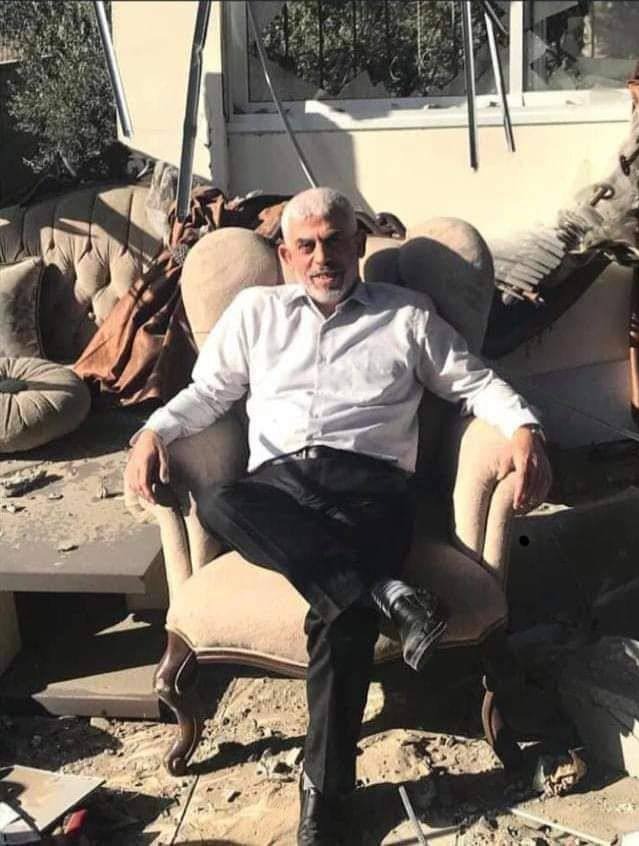
At the end of the 2021 war, a Hamas leader gave a speech among the carnage of Gaza. He told the press and public that he would walk home, that the Israelis knew where he was, and if they wanted to make him a martyr that would be their chance. Instead, he ended up going home and sitting on an intact piece of upholstery amid the rubble of his house.
Yahya Sinwar in his destroyed home in 2021
Today that leader – until 2011 a prisoner of Israel’s, now the head of Hamas’s political bureau – is in the tunnels of Gaza, directing the war effort against Israel’s genocidal army.
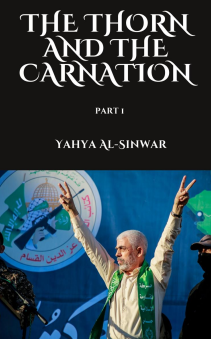
Two decades ago, Yahya Sinwar wrote a novel. It should be required reading for friends and enemies of Palestinians alike, but it was banned from Amazon and circulates instead on the back channels of the web. The Thorn and the Carnation was written inside Israeli prison, copied by hand and smuggled out: Sinwar’s words escaped Israel’s dungeons years before the author got out in a prisoner exchange. The novel is a document of Palestinian life under occupation from the 1960s to the early 2000s and reveals the perspectives and priorities of one of the main Resistance leaders of our time.
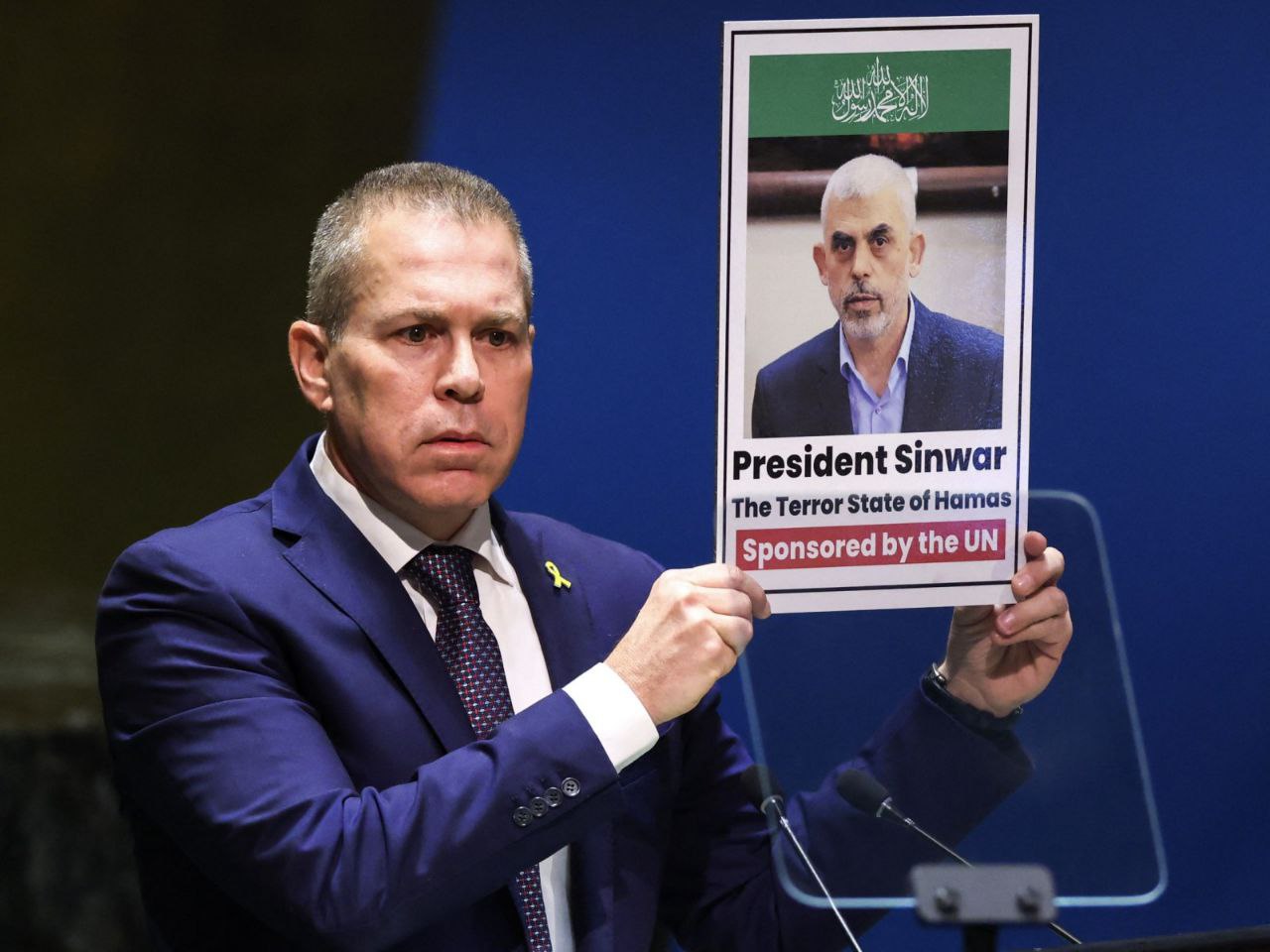
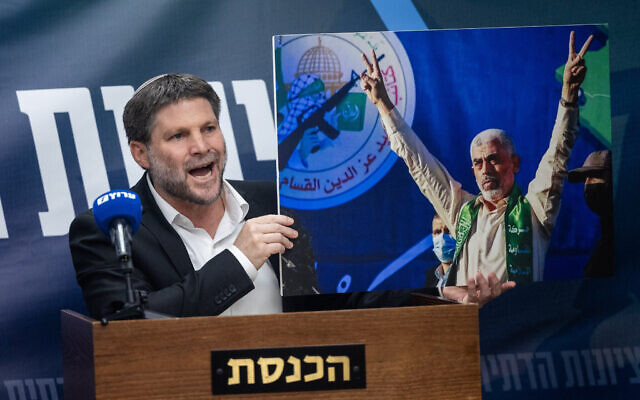
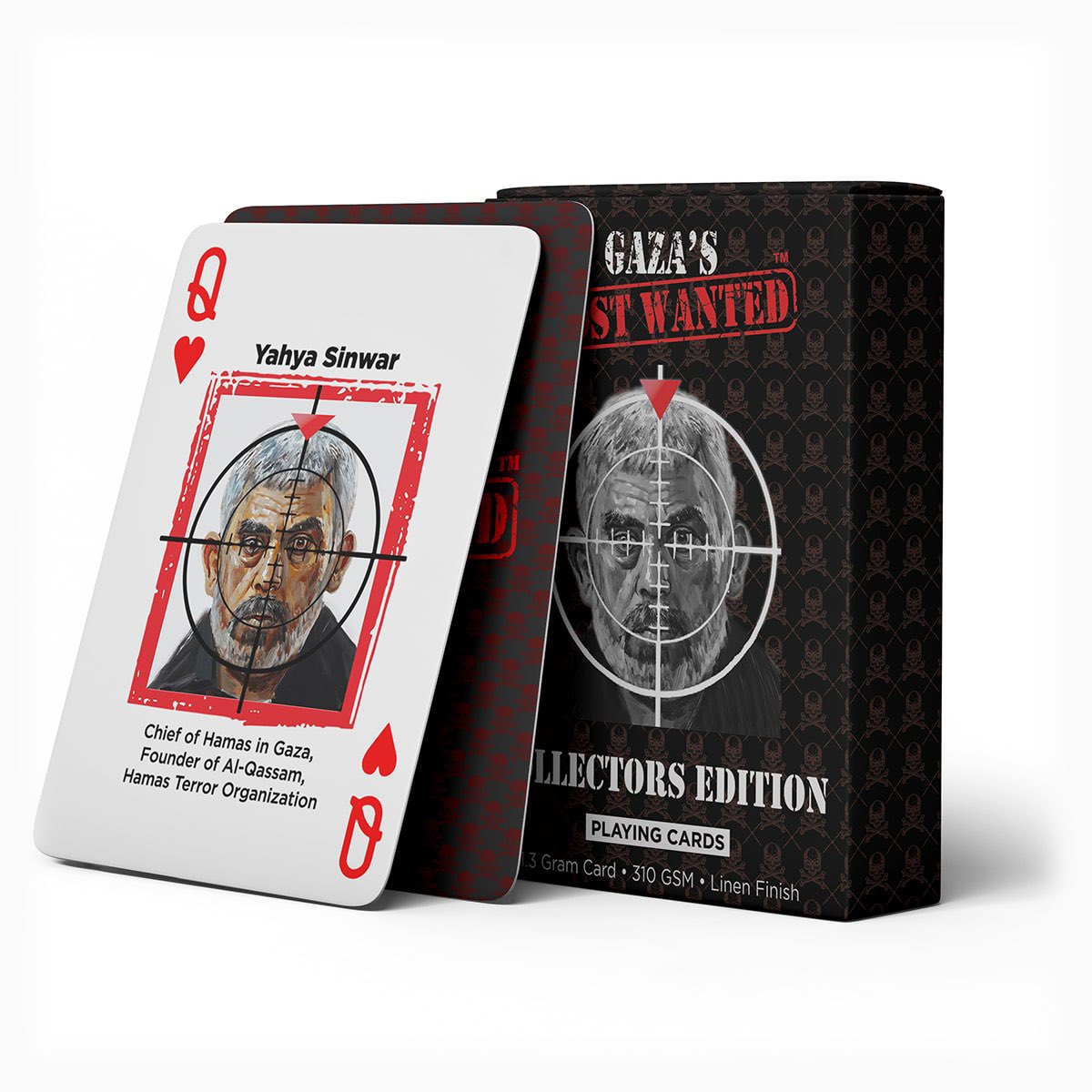
Colonizers are always obsessed with the leaders among the oppressed, and Sinwar obsesses the Israelis like no one else at the moment.
Israel’s UN ambassador holding up a photo of SinwarIsrael’s Finance Minister holds up a photo of SinwarIsraeli made terrorist playing card of Sinwar
In the preface of the book, Sinwar says that all the events in the book are real but have only been transformed into fiction to “to fulfill the form and requirements of a novelistic work.” As a graduate of the Arabic Literature program of the (now destroyed, along with every other university building in Gaza) Islamic University of Gaza, Sinwar would know. Imprisoned not long after his student years (he was born in 1962 and imprisoned in 1988, sentenced to life), Sinwar wrote a book where most action takes place in the three sites central to an occupied people obsessed with education: the camps, the campuses, and the prisons. There are no corporate boardrooms, glitzy hotels, yachts, or even weapons laboratories. Readers of the Thorn and the Carnation witness the construction of the Resistance in seemingly impossible conditions, humble locations, under the ever-watchful eye of the occupier.
Morally and practically prescriptive, the novel is not written from an ironic distance, but from the point of view of a youth growing up and learning of the world. Corrupted characters and villains – the occupation and collaborators – play their roles across from upright Resistance characters and heroes. The protagonists’ family hold fully-drawn out debates between communist (Popular Front for the Liberation of Palestine), Islamist (Hamas), and nationalist (Fatah) members. All positions are reasonably portrayed, but the Hamsawis get the last word.
A review of the book by Haneen Odetallah in Mondoweiss draws the philosophy of Sinwar out of the text, showing how the protagonist’s cousin (more like a brother), Ibrahim, represents the values of a Resistance fighter: Self-sacrifice, asceticism, and security awareness.
Certain military concepts can also be drawn out by reading Thorn and Carnation. In it, a frank and undramatic narration of Israeli atrocities coexist alongside an ever-evolving assessment of Resistance possibilities.
Long before the current genocide, Israel’s actions could have formed the basis of a horror novel, but the Thorn and the Carnation is a novel of action. While occupation persists, resistance never stops, and never will. Its forms change, but through all the harms inflicted upon the people, it grows. Even if Sinwar himself were killed in the current war, the Resistance would go on.
The book describes a Gaza Strip in the 1960s constantly under patrol by the Israeli army, in which guerrilla fighters would move in silence and come out of hiding for an ambush. “The resistance men would dominate the camp at night, making it impossible for the occupation patrols to enter its alleys. They stayed on the main streets, and with the break of dawn, the resistance men would disappear.”
The actions and the deaths of martyrs are reported in a straightforward style:
“A significant event that year was the martyrdom of our neighbor Abu Yousuf. He, along with two other young men, had set out to execute a mission against the occupation patrols. Their strategy involved one of the fighters throwing a grenade at the patrol that regularly passed through the main street at a specific time, then retreating in a way that made him visible to the soldiers. Abu Yousuf and another fighter, armed with Carl Gustav rifles and grenades, lay in wait for the reinforcements that would pursue the first attacker. Unfortunately, they were ambushed unexpectedly from behind, and both Abu Yousuf and his comrade Ibrahim were martyred on the spot.”
As a child, the protagonist, Ahmed, witnesses the public execution of a collaborator, followed by an Israeli mass arrest operation; imprisonment and torture of random men from the community. Characters are introduced to show how Resistance is organized: recruiting, building networks, acquiring weapons. Resistance members, like everyone else, get swept up in the Israeli dragnet, and the novel reveals how they conduct the struggle even while being interrogated:
“As is usual in resistance work, one of the cells encountered an operational failure, leading to the arrest of its members. Under severe interrogation, some began confessing, leading to more arrests, eventually reaching Abu Ali. He was captured and subjected to intense interrogation in the dungeons of Hebron prison. Abu Ali showed great resilience and refused to confess even the simplest things that some of the young men, deceived during the interrogation, had admitted.” His partner had confessed, but the uncle didn’t: “Abdul Fattah was taken to Hebron prison and subjected to severe interrogation and torture, as they questioned him about his relationship with Abu Ali and tried to convince him that Abu Ali had confessed everything. However, Abdul Fattah continued to deny the allegations. Consequently, he was sentenced to six months of administrative detention without any charges, while Abu Ali received a five-year sentence based on the confessions obtained from some of the young men who weren’t resilient enough to withstand the interrogation ordeal.”
The ones who don’t confess to anything end up free sooner, while confessions lead to worse sentences for everyone. The message is clear.
Sinwar as a young man
The chapters covering the 1970s dive deeply into prison life – the counts, loudspeakers, food, bathroom shifts, beatings, being made to sit on a blanket non stop, one five minute shower per week, one bar of soap for dozens of people… then the military court / kangaroo court. A young reader of the novel would know what to expect when the Israelis nabbed him and sent him to prison. This part of the novel conveys the centrality of the prisoners’ struggle to Palestine, and the importance of liberating the prisoners to the Resistance. After the prisoners adopt the hunger strike, the Israelis make conditions a bit better and the prison becomes a Resistance school in its own right:
“In the following period, cultural, religious, and educational gatherings in prison became very common. In one room, there was a session discussing Palestinian history; in another, a political session about the latest developments; in a third, a session about the principles, slogans, and objectives of the Fatah movement; and in a fourth, a session on socialist thought and Marxist philosophy. The prison transformed into an advanced school where learners taught others, and those inexperienced in debate and political thought were trained.”
As the chronology moves into the 1980s, the protagonist’s older cousin, Ibrahim, the model Resistance fighter, comes into his own. He studies and prepares, builds a family life and a business while getting an education and working underground in the Resistance.
Before the First Intifada (1987-1989) the Resistance is at a low point and Israeli intelligence looks unbeatable:
“The occupation’s intelligence had begun to infiltrate the camp gradually, systematically, and deliberately. Anyone opposing or objecting would find the intelligence officer responsible for the area sending dozens of summonses to young men and men to his office. They would sit in the waiting room for hours, then be called in one by one, to be beaten, threatened, warned, bargained with, consoled, and efforts made to recruit them.”
How did the Israelis recruit? Through blackmail, bribery, corruption, and, from the Islamic perspective, through immorality as well:
“It became clear that through its agents, the occupation’s intelligence started promoting the trade and use of hashish, drugs, and alcohol. They considered this a means to destroy the nation and kill any spirit of resistance, while the agents saw it as a quick way to make money with their appearance protected. The agents began to promote corruption and immorality by spreading obscene pictures, magazines, and sexual videotapes among boys and girls.”
A reader of the book would be forewarned against these Israeli methods:
“It was clear that the occupation’s intelligence, using its agents, systematically practiced spreading organized corruption to destroy the people and end any hope of a future for liberation or resistance. Every day, their methods in this field evolved, to the extent that one of the well-known agents’ offices would announce registration for a tourist trip to areas inside the Green Line. During these trips, with dozens of naive young men, several prostitutes known for their collaboration with the occupation’s intelligence were taken along.”
But despite all the infiltration and Israeli intelligence success, resistance persists. The Intifada indeed begins. In the Thorn and the Carnation, there is no separation between the armed struggle, the intelligence war, and the popular struggles on campuses or in the streets. The Israelis do not differentiate between these and neither does the Resistance. In the latter half of the novel, there is a switch to third-person narration as details of how organization proceeds and what methods are employed by both occupation and Resistance, e.g.:
“…the territories were completely devoid of weapons; the occupation had methodically worked over nearly two and a half decades of its occupation of Gaza and the West Bank to empty the regions of weapons and ammunition and to seal all avenues through which they might be brought, imposing severe penalties on anyone involved in this trade. People didn’t even know how to use weapons if they found them. Therefore, activists resorted to using bladed weapons like knives, daggers, machetes, and swords, in addition to batons, and it was very rare to see an old Carlo Gustav rifle or a pistol.“
On organizing the Intifada:
“They are planning and organizing the escalation of the Intifada and confrontations in the city and surrounding towns and villages. They agree to work on two fronts: first, to activate the events and incidents wing of the Intifada, and second, to start establishing armed groups and cells and to gather weapons for them.
“One of the attendees departs to meet three young men to announce the formation of the core of the armed effort. They are instructed to start searching for weapons, prepare hideouts and shelters, and nominate candidates ready to engage in this field. Meanwhile, dozens of activists move in various directions to mobilize individuals and supporters to distribute pamphlets, write slogans on walls, and set up barricades on roads to hinder the movement of occupation forces and settlers, drawing them into suitable locations for stone-throwing, thus facilitating the youths’ camouflage, withdrawal, and maneuvering.”
When the Intifada winds down and Fatah signs the Oslo Accords with Israel, the debate between Hamas and Fatah on the peace process takes place in the protagonists’ family home, between Ahmed’s brother, Mahmoud, who is with Fatah, and his cousin Ibrahim, with Hamas. When Mahmoud says that the Palestinians needed an agreement to establish the beginnings of a state in the West Bank and Gaza, Ibrahim replies:
“It’s clear that continuing resistance and military activities, which cause human losses to the occupation, along with a popular uprising that inflicts political and media damage, will force them to withdraw from the Gaza Strip and the West Bank. Then we can establish a state on any piece of land from which the enemy withdraws… If they leave by an agreement, it means that we Palestinians must adhere to certain obligations, the least of which is recognizing their right to our remaining land. However, if they leave without an agreement under the pressure of resistance, it means that we have committed to nothing and the door remains open for us to continue immediately or later… when we find it appropriate.”
As the Intifada dissolves into the Oslo Accords, Ibrahim he gives a speech in prison, to his fellow prisoners, about how the Resistance would start over and over again, as many times as necessary:
“…All sacrifices of the first Intifada have been wasted, and now, with the politicians and negotiators, we’ve reached a deadlock. What’s stopping us from starting anew?”
“Hundreds, if not thousands, of martyrs will fall, and tens of thousands will be wounded. You’ll find someone to propose going to a new Oslo, or whatever you want to call it. After every round of our people’s struggle and sacrifice, the politicians come to reap the fruits; because they rush to harvest the fruit before its time, they are punished by being deprived of it. Neither does the fruit stay on the tree to ripen, nor is it useful when harvested because it’s not yet ripe. This was the solution with our people’s first Intifada, and now we must start again until someone imagines that the fruit has ripened and its time has come, only to destroy everything our people have sacrificed for.”
In Ibrahim’s view, the pressure of Resistance alone is what led to the partial withdrawal of Israel from the occupied territories, and the easing of that pressure that led to the reoccupation.
The novel goes through the 1990s in a whirlwind of Israeli repression and Resistance operations. In the end, Israel is at a crossroads, unable to decide how to proceed, as Resistance continues to grow.
In Mahmoud’s (Fatah) view, continuing Resistance after the agreement was endangering the Palestinians, who had no way of defeating Israel. Ibrahim addresses this defeatism directly, as Mahmoud says the Israelis could easily crush the Palestinians.
“Then why haven’t they crushed us? The components of the equation are not merely about pure military strength, Mahmoud. Israel knows it faces an Arab and Islamic nation behind us, fragmented yes, but if it used excessive force against us, the balances of the universe would turn. Israel is unable to crush us because it is governed by many equations, and breaking any one of them means it could be crushed as well.”
Ibrahim’s journey ends in martyrdom, from a helicopter-launched missile striking his car. That, too, is symbolic of the way, in the world view of the Thorn and Carnation, a model Resistance fighter’s life should end while occupation persists.
In the end, the great characters in the Thorn and the Carnation exhibit persistence – through pain, grief, prison, and torture. They don’t reveal themselves to the enemy. They are not fooled by the enemy’s deception and are not intimidated by the enemy’s violence. They study and learn and prepare, even as they fight. They will fight on regardless of setbacks and even through genocide.
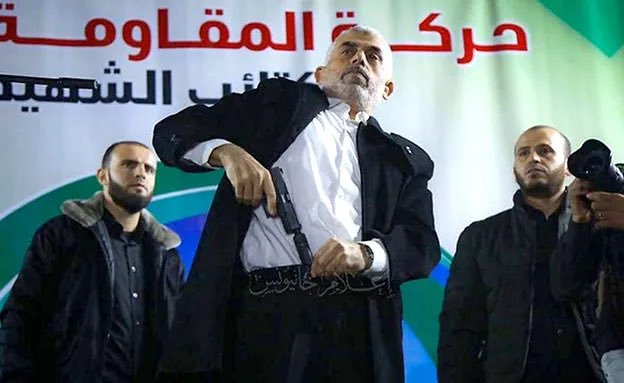
At a public event Sinwar is presented with a sidearm captured from an Israeli soldier.
The narrative of the novel ends in 2004. Two decades later, Israel is one year into a genocide against the Palestinians, with the full support of all Western countries, led by the US. The leader of the genocidal campaign is Benjamin Netanyahu. The leader of the principal Palestinian Resistance organization is Yahya Sinwar.
At the moment, Israel, governed as Ibrahim says “by many equations”, is trying to break them, all to try to crush the Resistance. Increasingly it seems that by the end of this war, the Resistance will either have to “start anew”, or Israel will, as Ibrahim calculated, be crushed by the equations it has tried to ignore.
[Dear Readers: For a few months I’ve imagined writing a speculative novel or novella of a post-genocide world in which a group of heroes travel the world catching the war criminals and enablers behind the current genocide. The last act of the story would be the actual trial, which would give me the chance to show how much of the Nuremberg Trial text applies directly to the situation we find ourselves in today. All of which is to say, this scene is rather stripped of the elements of dramatic writing, but it could nonetheless be considered an excerpt of a future book… ]
A favorite target of the now shattered US empire, the old port city of Hodeidah was hit with saturation airstrikes in the final months of the war that liberated the Middle East from occupation. At the very end, the aircraft carrier USS Trump’s F-35s emptied their bomb bays on a final destructive run, after which the Trump left the Red Sea and ran into ‘mechanical troubles’ in the Mediterranean. It never got home. But Hodeidah was rebuilt – with a set of buildings rebuilt in the old style – and in it, a palace custom-built for the express purpose of holding the proceedings that were about to occur.
Old buildings in Sanaa, Yemen
In the vast, main hall, the prisoners sat together in a glass-encased defendants’ box to the right.
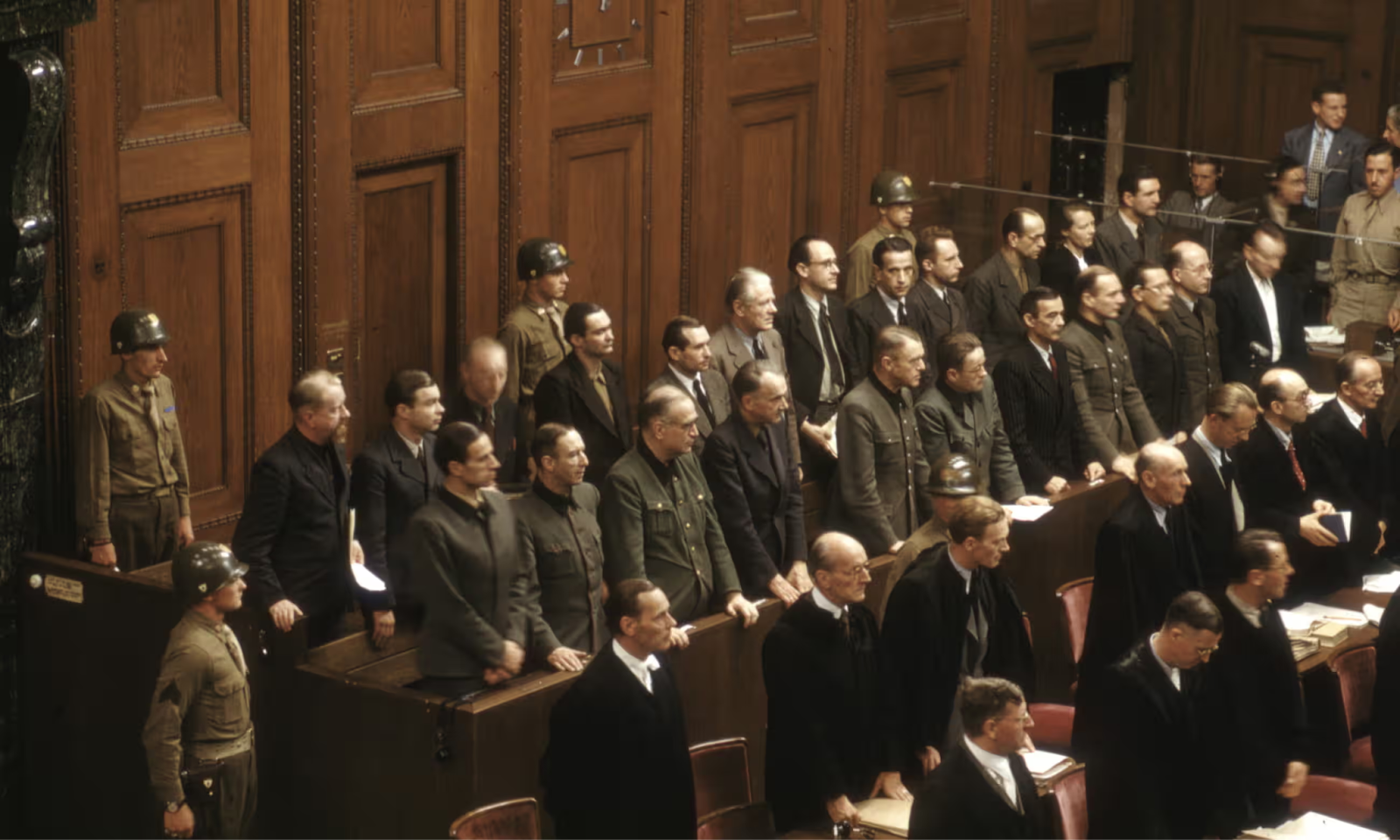
Nuremberg defendants
The panel of judges shuffled inscrutably onto the elevated stage. Wardah and the other prosecutors sat directly across from their legal opponents: Egyptian, Saudi, and Jordanian lawyers defending the war criminals in the dock, their Western advisors sitting directly behind them. The proceedings were in Arabic, the jurisprudence Islamic, and so the defense team had deemed it best to have Arabs be the faces and voices of the defense and let the Westerners work behind the legal front line.
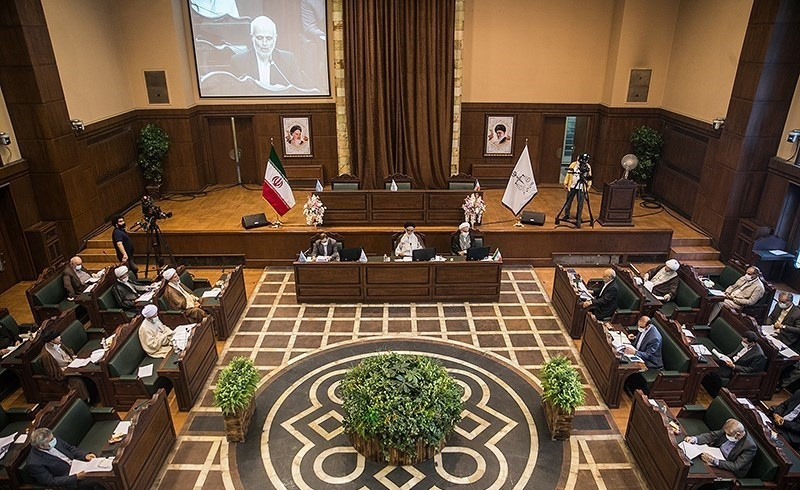
A 2020 meeting of the Iranian Supreme Court
A pale, thin man with an impeccable haircut sat in the defendant box wearing a familiar smirk. The younger woman beside him leaned forward, twirling her hair and looking bored, appearing confident that nothing would befall her from this silly court. Watching them, Wardah found herself unbothered by their inaudible whisperings and incomprehensible complicities. As the leader of the Yemeni prosecution team, she felt a responsibility to history, to the past, to the living, to the survivors, to the children who would have to rebuild the nation and whose grief cried out for justice. Like hers.
When the room quieted and the bailiff signaled to her that her turn to speak had come, she walked to the podium and looked at the judges, ignoring completely the assembled criminals on display to the side.
“When the first Nazis were defeated, some of them faced a trial. One of the prosecutors, whose words I will quote here today (1), said that that trial had a grave responsibility because the Nazi crimes were so calculated, so malignant, so devastating, that civilization could not tolerate their being ignored because it could not survive their being repeated.
“They were repeated. And that American man, Justice Robert Jackson, said that instead of vengeance, putting the Nazis on trial, was a tribute which Power paid to Reason. Like Resistance fighters in the field who did not shoot down the Israeli Nazi enemy helicopters when they came to evacuate their wounded, like the men of Ansarallah who assured the crew of the Galaxy Leader that they would not be harmed but treated according to Islam, we too will pay tribute to Reason here today and to religion also, by seeking justice instead of vengeance.
“The law, my predecessor said, must not stop with the punishment of petty crimes by little people, but must also reach men who possess themselves of great power and make deliberate use of it to set in motion evils which leave no home in the world untouched. I could say, evils which leave no screen in the world untouched.
“The men that your honors are here to judge, are, like my predecessor called the German Nazis, ‘living symbols of racial hatreds, of terrorism and violence, and of the arrogance and cruelty of power. They are symbols of fierce nationalisms and of militarism, of intrigue and war-making which have embroiled Europe generation after generation, crushing its manhood, destroying its homes, and impoverishing its life. They have so identified themselves with the philosophies they conceived and with the forces they directed that any tenderness to them is a victory and an encouragement to all the evils which are attached to their names.’
“Under the banner of ‘Zionism’, these men took from their own people all those dignities and freedoms that we hold natural and inalienable rights in every human being. The people were compensated by inflaming and gratifying hatreds towards their opponents, anti-Zionist Jews, Palestinians, all Arabs and Muslims, and indeed anyone else who stood in their path, they directed such a campaign of arrogance, brutality, and annihilation as the world has not witnessed since… the previous trial of this kind. They excited the Western ambition to be a “master race” which of course implies serfdom for others. They led their people on a mad gamble for domination. They diverted social energies and resources to the creation of what they thought to be an invincible war machine. They replaced all rules and laws of war ever developed with their own Dahiya doctrine of mass murder of civilians, their Hannibal doctrine of killing their own people, and their Samson option of trying to blow up the world rather than lose the land they stole from others. They have demoralized and morally compromised the entire West beyond recognition. These are the fruits of the sinister forces that sit with these defendants in the prisoners’ dock.
“Like my predecessors at the Nuremberg Trial, we had to do an immense amount of legal work in a short amount of time. Less than a year ago, this Palace of Justice did not exist and the building that had stood here had been bombed. We too may suffer from incomplete research and would have benefited from more time, for the crimes were immense and the evidence for them as well. Our case is adequate for you to judge.
“Also like the last time Nazis were tried, the nature of these crimes is that both prosecution and judgment must be by victor nations over vanquished foes. The worldwide scope of the aggressions carried out by these men and women has left but few real neutrals. Either the victors must judge the vanquished or we must leave the defeated to judge themselves. We, too, must draw a line between just and measured retribution and the unthinking cry for vengeance which arises from the anguish of war.
“These defendants have gone to great lengths to avoid being caught and tried. They did not extend the favor of a trial to the tens of thousands they tortured in their prisons. But they will be given a fair opportunity to defend themselves. We accept the burden of proving criminal acts and the responsibility of these defendants for their commission.
“And like the previous Nazis, these modern versions are not accused of yielding to the normal frailties of human beings. It is their abnormal and inhuman conduct which brings them to this bar.
“The Israelis performed their crimes and posted them as trophies on social media sites. We will show you their own films. You will see their own conduct and hear their own voices as these defendants re-enact for you, from the screen, some of the events in the course of the conspiracy.
“The Jewish people should know by now that we Muslims do not hold them in fear nor hate. In our religion they are the people of the book. And if we are not awed by what the so-called ‘Jewish state’ has done to our people in war, Jewish people have long been truly integrated and celebrated in our lands and protected by just rulers of the Ummah. It is Zionism that led a portion of the Jewish people astray. Zionist aggression has left the whole region in ruins. Zionist readiness to pledge the West’s word without hesitation and break it without shame has fastened upon Western diplomacy a reputation for duplicity that will handicap it for years. Western arrogance has made the very phrase ‘Zionist’ a taunt – a word which used to be both proudly claimed and banned for use as an insult – that will be thrown at Westerners for generations. The Zionist nightmare has given the word a sinister significance that will linger: the Jewish, no less than the Muslim world has accounts to settle with these defendants.
“The fact of the war and the course of the war, which is the central theme of our case, is history. From the Nakba of 1948 to the Naksa of 1967, through to the 1973 war, the invasions of Lebanon starting in the 1970s, Israel seemed invincible. All the Arab armies were vanquished in five days of 1967, overrun by swift, powerful, well-aimed blows. All of Palestine from the river to the sea was under occupation. Parts of Syria and Lebanon, a huge part of Egypt. The Zionists built colonies in the lands they occupied and displaced the inhabitants. They committed unspeakable massacres where they went. Aggressive wars, wars of colonization, war crimes, crimes against humanity, which the nations of the world had renounced.”
Wardah looked at her notes, wondering if she was belaboring the point. Hadn’t the war settled the issue? Wasn’t it a different world now? No, she would make this presentation as if she still lived in a world where the most obvious truths about Zionism required nearly impossible standards of evidence. So she continued.
“This war did not just happen – it was planned and prepared for a long period of time and with no small skill and cunning. The authors of this war achieved a stupendous work in organization. Our case will show these defendants all uniting in a plan they knew could be accomplished only through genocide. Their planning of war, their calculated and planned ruthlessness in the conduct of warfare, their deliberate and planned criminality toward conquered peoples – all these are ends for which they acted in concert and all these are phases of the conspiracy, a conspiracy which reached one goal only to set out for another and more ambitious one.
“The case as we present it here will be concerned with the brains and authority behind all the crimes. These defendants were of a station and rank which does not soil its own hands with blood. But unlike the old Nazis, who used lesser folk as tools, Zionism created through careful design of the education system and media structures, a population that celebrated genocide, that self-organized to deny aid convoys and attack unarmed Palestinians in mobs. This design was a constant work-in-progress and it is the designers, the inciters and leaders without whose evil architecture the world would not have been scourged with the violence and lawlessness, and wracked with these agonies and convulsions, of this terrible war, whom we hope to reach. As for the masses who participated in the crimes organized by their betters, they must be forgiven after telling their truth in a different set of proceedings, in Palestine, that will follow these. The pursuit of punitive justice against a genocidal majority would not lead us anywhere good, in the view of the prosecution.”
Wardah paused to take a sip of water, before continuing (2).
“One question that we must address first is, why not use the existing tribunals? The International Court of Justice and the International Criminal Court? Why did we choose to bring the criminals here, to stand trial in our region, rather than in New York, at the United Nations? Because these bodies have failed. When South Africa brought the case, the ICJ ordered Israel to stop its genocide after several months. These defendants ignored the order. The ICJ ordered a stop again before the Rafah invasion. The defendants ignored the order. The International Criminal Court prosecutor, after years of inaction, found himself unable to distinguish between aggressor and victim, and asked for arrest warrants against both. The defendants ignored these – they said Israel never signed on and the Americans had a law threatening to invade the Hague if any American were tried at the ICC. These are the courts of racism, the courts of injustice, the courts of inequality. We believe that all are equal before God and our concept of justice cannot accept that some of God’s children are above the law.
“We will leave it to the Palestinian prosecutor to go through the history prior to October 7, 2023. The Deir Yassin massacre and the many other massacres of the Nakba, the crimes of aggression, occupation, ethnic cleansing throughout the decades. The way that the Western countries and institutions of international law, human rights, and free expression that were supposed to protect the vulnerable, all conspired to create a separate standard for Israel that let them commit any crime against our people. They are the best authority on this history and they can set it out for you.
“We focus instead on the systematic nature of the crimes committed by these defendants in the post-October 7, 2023 genocide war.
“The South Africans showed video and provided an extensive dossier full of these defendants going on record publicly ordering their soldiers to commit genocide. They said there would be no food, water, or electricity going to the civilian population; they cited biblical passages calling for the murder of women, children, and livestock; they made trophy videos of the destruction of homes, buildings, hospitals, water infrastructure, farmers’ fields. The destruction and stopping of aid trucks became a scene for partying. No attempt was made to cover up. This was the most unashamed, open celebration of genocide we have seen.
“But what the South Africans could not say was what we know: that the Resistance operation of October 7 was not an operation to kill Israeli civilians, but to take military prisoners alive to try to obtain a prisoner exchange, Israeli military captives in exchange for thousands of Palestinian captives who were held – tortured and starved and done to death – in the Zionist prisons until they were liberated at the end of the war. And as the Zionist newspaper Ha’aretz reported on July 7, 2024, in Yaniv Kubovich’s report “IDF Ordered Hannibal Directive on October 7 to Prevent Hamas Taking Soldiers Captive”, most of the Israeli civilians (3) who were killed on that day were killed by Israel, applying the Hannibal Directive. The genocide was built on a lie, a lie that was taken up, developed, and repeated by some of the defendants here today.
“We are bringing this case before you, your honors, because Western institutions of rights and justice chose to self-destruct rather than hold Israel accountable. We mentioned the ICJ, ICC, UN, and the Western media: all have lost their credibility, which is why we are holding the Tribunal here and in this form. But it is not just these institutions that have lost their credibility. The very conceptions of the conduct of war and diplomacy have been corroded and must be rebuilt from zero. It is for this reason that the prosecution of these defendants is so necessary.
“Regarding the conception of war. The Zionists put forward the following norms for the conduct of war:
All civilians, including children, are fair targets if a claim can be made that they are close enough that killing them is necessary to kill a combatant target. The shorthand they used was, ‘Hamas uses human shields’. Their Israeli army used actual human shields, tying children to military vehicles and forcing them to go into tunnels and houses, but were not held accountable for this.
The Zionists also put forward the notion that they can use any type of weapon, including two thousand pound bombs, for any purpose, including trying to kill an unarmed person in a tent. They removed any notion that a particular weapon might be overkill for the task for which it is used. In their conduct of war, they can use whatever weapons they choose.
In their view, if they can make a claim that any protected group of people or infrastructure might be used by a combatant, that it can be targeted. This includes all hospitals in Gaza, all medical personnel, all journalists, all food supplies, all water supplies, apartment buildings – everything, as per the Biblical quotes about Amalek, the enemy of the Israelites who is to be wiped out man, woman, child, and livestock.
Military censorship and manipulation of information is always present but in the view of the defendants, systematic and structural lying is merely a part of the war. Several of the defendants repeated a completely fake story about Resistance members eating lunch around the corpses of a family they’d murdered. This was before the thousands of trophy photos of Israelis posing with the toys and underwear of families they’d murdered, in the incitement period of the genocide.
In their zeal for extreme force protection, their soldiers target the unarmed and avoid combat with armed combatants. On the other hand, they kill their own soldiers and civilians if there’s any chance they might become captives (who could then be exchanged for Palestinian prisoners). This is the Hannibal Directive we mentioned earlier. They have institutionalized cowardice in war.
“We wish to punish the defendants for all of these: targeting of civilians, systematic lying to incite genocide, destruction of infrastructure, and total disproportion of weaponry. We wish to punish these crimes to eradicate this whole conception of war from history, so that if there are wars that must be conducted in the future, they are conducted according to laws of war that distinguish between combatants and non-combatants, use weapons that are proportional, do not target civilians or civilian infrastructure, and – even if information is controlled during war – do not use lies to incite genocide.
“In terms of diplomacy, the defendants allowed a successful exchange of prisoners in November of 2023. But then, after a pause, they resumed the war, recaptured the Palestinian prisoners and resumed their torture, and methodically targeted the remaining Israeli captives to kill them. In one operation they murdered three Israeli hostages in cold blood. In another operation they rescued three hostages while killing several others and hundreds of Palestinian civilians. Whenever ceasefire negotiations reached a point of near success, the Israelis would add new clauses and insist on continuing the war as a condition of a ceasefire! These are contrary to the principles of good faith negotiation. To the United Nations, the Israelis sent a buffoon to accuse the countries of the world of terrorism. The West vetoed multiple ceasefire resolutions and when they finally accepted one, they allowed Israel to ignore it.
“We wish to punish the defendants for abusing negotiation and diplomacy to continue the genocide, so that these conceptions of negotiation and diplomacy are also left behind and the world can move forward on better ideas.
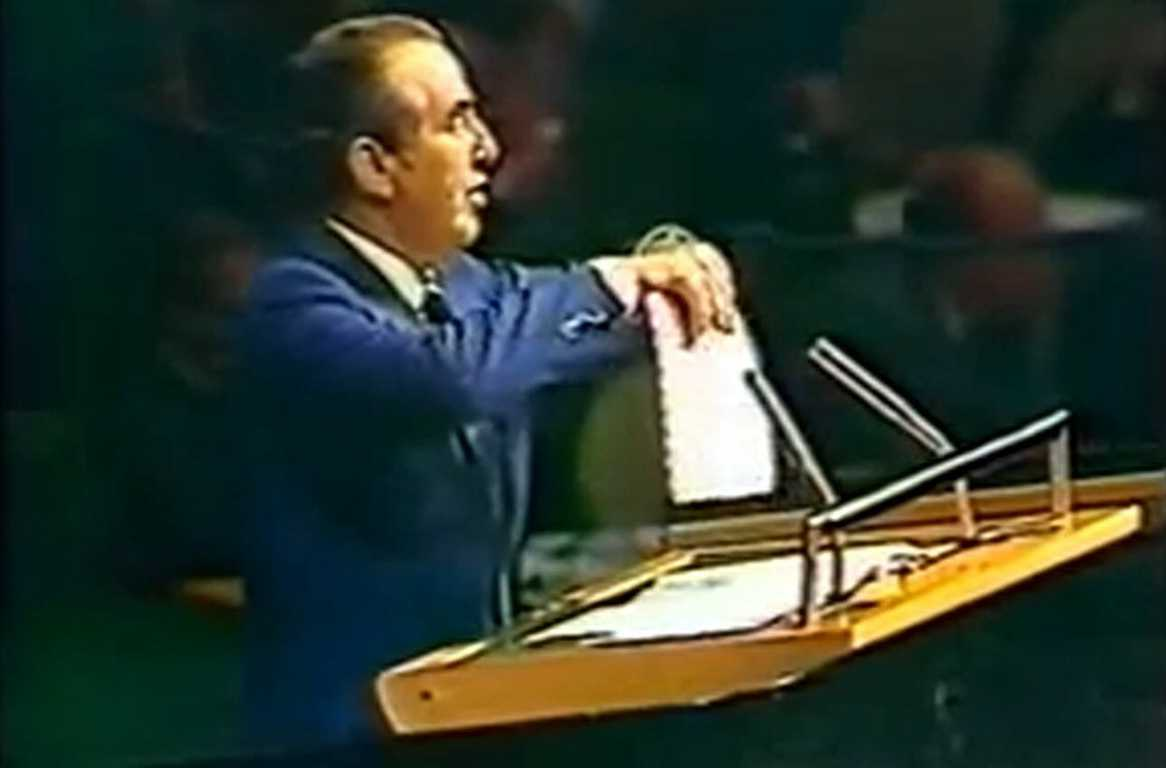
“In 1975, the United Nations passed Resolution 3379, which argued that Zionism was a form of racism. The Israeli representative to the UN stood before the gathered nations and tore the resolution to shreds, just as the Israeli representative took a miniature automatic paper shredder to the UN charter in 2024.
Chaim Herzog rips up the UN resolution 3379, which said Zionism was a form of racismIsraeli Ambassador rips up the UN charter
“As you know, UN Resolution 3379 was repealed in 1991 (4). While the United States was laying waste to Iraq, whose president Saddam Hussein had invaded Kuwait and dared to propose a “linkage” of Iraq’s withdrawal from Kuwait with Israel’s withdrawal from the West Bank and Gaza, the resolution stating that Zionism was a form of racism was repealed through US pressure. Your honors also know that when our country, Yemen, voted against the US invasion of Iraq, we were told that this was “the most expensive vote we ever cast” and we suffered sanctions for it (5).
“3379 should never have been repealed. But today I am asking your honors to go further. I am asking your honors to rule that Zionism is not just a form of racism, it is a criminal enterprise, one which ultimately requires genocide to continue, and which therefore must be ended. Doing justice here will be a first step.”
Wardah looked at the other prosecutors: her counterparts from Iran, Palestine, Lebanon, and Iraq. To her, they seemed satisfied, and she felt she had presented her case well. The judges gave little away from their expressions, and Wardah again did not favor the criminals with her gaze.
The presiding judge called for adjournment until the next day, when the Iranian prosecutor would present his case.
Notes
(1) The first part of Wardah’s speech is basically a reproduction of Robert Jackson’s opening remarks at the Nuremberg Tribunal. Wardah alternates between quoting between quote marks, paraphrasing with modern updates, and quoting without quotation marks.
(2) If you read Justice Jackson’s speech, the middle part of the speech is the history of the Nazi party, its rise to power, and its conduct of WWII. This section of Wardah’s speech is not a copy/paste with find/replace of Jackson’s speech, but instead a part of the case as it is imagined would be laid out at a tribunal run by the Axis of Resistance.
(3) Ha’aretz was very late to report this. There were some reports in the Israeli media here and there and these were assembled carefully by Electronic Intifada, the Grayzone, and The Cradle. I did my own modest assembly of a few Western sources on substack in October.
(4) I made part of a video about Resolution 3379, its rise and fall.
Briefly straying from my lane to make a quick point
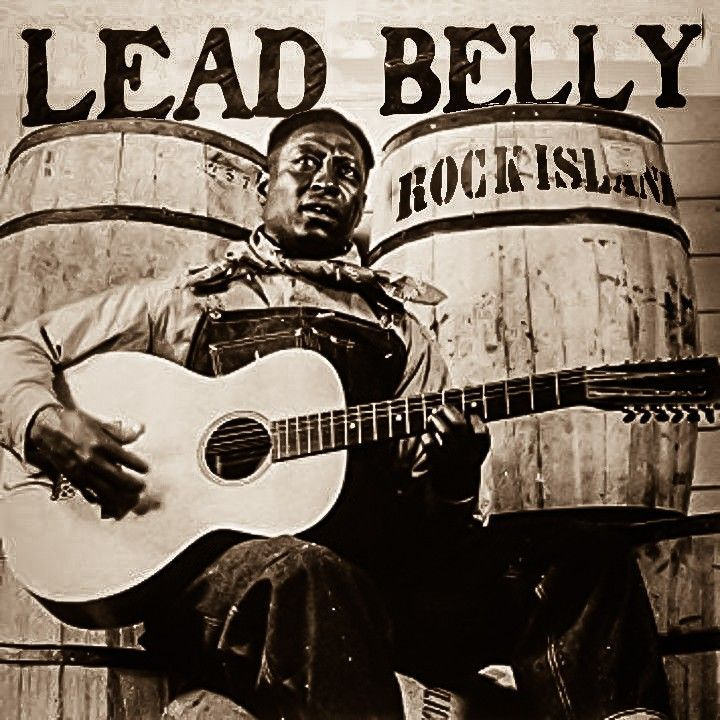
A Black American folk singer, Lead Belly, enjoined listeners in 1938 to ‘stay woke’ in a song about a false accusation against a group of young black men in Alabama. A century later and the word is exclusively used as an epithet, a code word that identifies its speaker as someone who has some opposition to left-wing politics.
That isn’t how the anti-’woke’ would put it, of course. Champions of the liberal value of free speech, right-wing anti-wokes believe that left-wing orthodoxies have gone too far and stifled these once widely available liberal freedoms. When asked for examples, the anti-wokes will generally present examples like drag shows, pronoun etiquette, and trans women competing in sports.
There are details and ongoing areas of study and work when it comes to how to implement these values in a way that allows everyone to be who they are (trans rights, sex and gender equality, etc.) There’s a lot to know about these issues and readers know this isn’t my lane. But to my eyes, comparatively untrained on these issues, the selected anti-woke examples look like a distraction or an outrage engine, like the way most of these same anti-wokes talk about immigration, crime, or terrorism.
Anti-imperialism is, and like all left-wing ideologies is based on the core value of equality. And the anti-’wokes’, whether they justify it as naturally ordained by science or divine will, generally hold a core value of hierarchy. It’s an irreconcilable difference.
Almost all anti-woke criticism is just right-wing politics and therefore holds nothing of interest for leftists.
There is one legitimate complaint in the antiwoke arsenal, which is against the language-policing that takes place in mainstream, liberal institutions. But language-policing in such corporate environments has nothing to do with equality and therefore nothing to do with anything truly left-wing. It is nothing more than an office game, in which the winner is the one who can master the language and the bureaucratic rules. Words and concepts that were developed in communities fighting for liberation – or even survival – have been stolen, appropriated by liberal professionals for use in their office power games. But the theft of these words and concepts doesn’t discredit the projects of liberation from which they emerged.
Now we can come back to my lane. You know the old saying that when you scratch a liberal a fascist bleeds? The Gaza genocide has scratched the liberals and the fascists alike. Turns out that when Palestine comes up, the right wing (squealing for police to crush speech and deport protesters) doesn’t care about free speech or assembly and liberal professionals didn’t mean anything they said about the liberation of oppressed groups by race, class, gender, and sexuality.
Anomalous exceptions aside, both antiwokes and the liberal professionals they claim to despise have revealed themselves to be enthusiastic supporters of genocide who hate us much more than they hate one another. There’s no use contemplating alliance with these people or searching for common ground.
I have over the decades, every few years, written something to protest left-wing language-policing and the adoption of liberal professional games. But leftists will find no allies among the anti-’woke’. They don’t want us and we don’t want them. They mock social justice warriors and they mock being woke, but it’s better to be a warrior than a coward and it’s better to be awake than asleep.
False friends are everywhere. Lead Belly warned us about them, and told us the state we need to be in, to remain vigilant.
The devolution of Israel’s military happened gradually but it has lost abilities it once had
Mao Zedong presented a staged model where a guerrilla army began with organization in safe and remote areas, building the ability to hold territory, then hit-and-run actions and raids, and finally engagement in conventional warfare to destroy the enemy’s army on the battlefield. Israel has been doing this in reverse: in 1967 it defeated the Egyptian, Syrian, and Jordanian armies. But it could not defeat Hizbollah in 2006 and cannot defeat Hamas today. It once possessed the ability to occupy and hold territory and control populations. But in Gaza and increasingly in the West Bank, Israeli warfare has devolved into an endless series of hit-and-run attacks on civilian targets, with the heavily armed Israeli army running away before their comparatively lightly armed opponents can catch them.
The gruesomeness of the hit-and-run attacks themselves, the revolting trophy photos that the Israeli army takes (e.g. posing in women’s lingerie, playing with the toys of dead children, blowing up houses and apartment blocks, etc.), the torture of thousands of Palestinian captives, by Israel’s imposed mass starvation on Gaza – these have obscured this reality. But beneath this stomach-turning surface is a cold military fact: the methods of occupation that Israel used for decades are unraveling.
In the 2007 book Hollow Land, Israeli academic Eyal Weizman analyzed what he called the “architecture of occupation”: the way Israel used the built environment to impose its will on the Palestinians. Befitting a book by an architect, Hollow Land is filled with drawings and photos of how the occupation worked from the early Zionist days until the 2005 withdrawal from Gaza.
The work would begin with small settler outposts, defended by the army and the settlers themselves.
The outposts would grow into full fledged fortress settlements that commanded the heights and looked down on the native villages below.
The Israeli army forced the occupied people to accept these new realities. Palestinian movement from place to place was controlled by checkpoints. The big terminal at Qalandiya, for example:
Hollow Land also has a photo from the major checkpoint controlling people entering and exiting Gaza from Israel, Erez.
But the Erez terminal was destroyed on October 7 — mostly, like so much on that day and since, by Israeli airstrikes. The giant Israeli army that went into Gaza to destroy Hamas withdrew from Gaza City, then attacked Khan Younis, withdrew from there, threatened an invasion of Rafah for many months, invaded, and is in the process of being driven from there. The Israelis enlisted American help in building occupation infrastructure – the famous pier which took so long coming, floated into the sea, and then was rebuilt in time to commit a joint US-Israeli war crime of immense proportions in the Nusseirat refugee camp. They are trying to build a base along a road in central Gaza. But their base construction has come under constant mortar fire and soon, so will the American pier.
The Americans themselves have been forced into this way of fighting: they sailed into the Red Sea to engage in a little bit of classical gunboat diplomacy, to warn Yemen’s Ansarallah (the so-called Houthis) not to try to stop Israel’s genocide. They were roundly ignored, Ansrallah has not hesitated to engage the US navy directly with missiles, and the US has responded with aerial bombardment of civilian targets – hit-and-run.
There is no occupation if you cannot stay in one place, and Israel cannot stay in any one place in Gaza. They even have to return to the same hospitals again and again after destroying them because they can’t stay until the resistance comes for them.
That is Gaza, and Gaza is unique: Israel withdrew from there in 2005 (because the resistance made it impossible to maintain the occupation) and the resistance in Gaza has built an extensive infrastructure from which to fight the Israelis. But the Israeli occupation of the West Bank is devolving too. Yes, there are still checkpoints and settlements controlling the lives of Palestinians there. The occupation isn’t over in the West Bank. But Israeli operations in West Bank towns like Tubas, Tulkarem, Qalqilya, Nablus, and Jenin are raids: they go in heavy, besiege a house, fight gun battles with the resistance, have their bulldozers blown up by IEDs… and inevitably withdraw. And the duration of the raids seems to get shorter. Jenin had a raid a few weeks ago that was 48 hours long; the next one was 3 hours. In Tubas, the Israelis try to let their Palestinian Authority collaborators seize weapons and arrest resistance fighters on their behalf, so they can attack from a place of greater safety.
What explains this devolution from region-dominating conventional army to genocidal raider? The adaptations of the resistance have played the main role: their ability to defeat the ground forces of Israel render most of the occupation’s other infrastructural goals unachievable. Another factor: Israel slowly transformed its army into one that mainly staffs checkpoints and monitors electronic murder machines while serving as the institution responsible for socializing Jewish migrants and indoctrinating youths into Zionism.
But the arrogance of Zionist ideology and belief in racial superiority also played a role. Why train day and night to fight your racial inferior? Why risk death when you can kill by pressing a button? The Zionism of yesterday was stealing the land. The Zionism of today is killing from a distance. But stealing somebody’s land can only be done from up close. Too close, maybe, for illusions of racial superiority to hold up.