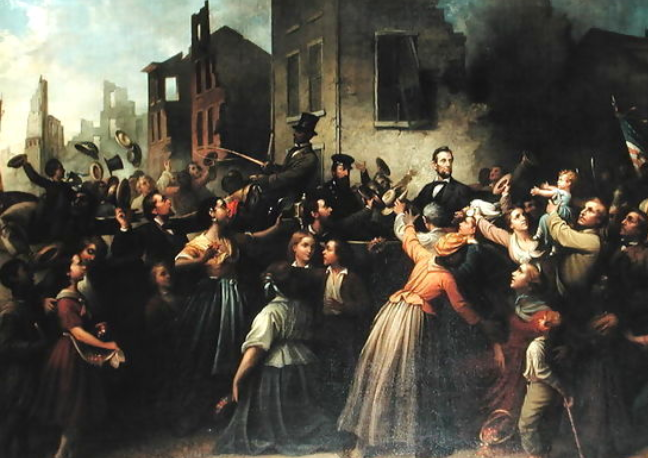
The American Civil War from Lincoln’s election in 1860 to the surrender of Robert E. Lee at Appomatox Court House. The major events, the commanders, and the decisive role of what Du Bois called the General Strike of the Black Worker. Part 3 of 4 on the US Civil War.
Month: November 2020
AEP 74: The Fighting Intellectual, with Sayf Carman

Sayf Carman runs the Ummah Fight Camp martial arts youtube channel and has recently started Mindscrub, an intellectual channel.
Carman teaches martial arts in New Jersey. He has been in the Nation of Islam, the Communist Party, has studied Buddhism and Western Philosophy.
We talk about different approaches to thinking, teaching, and techniques and approaches in martial arts, and what it means to be an intellectual in the good and bad sense, using ideas from Noam Chomsky to Malcolm X to Amos Wilson.
Civilizations 23b: “This question is still to be settled”: John Brown and the Civil War pt2
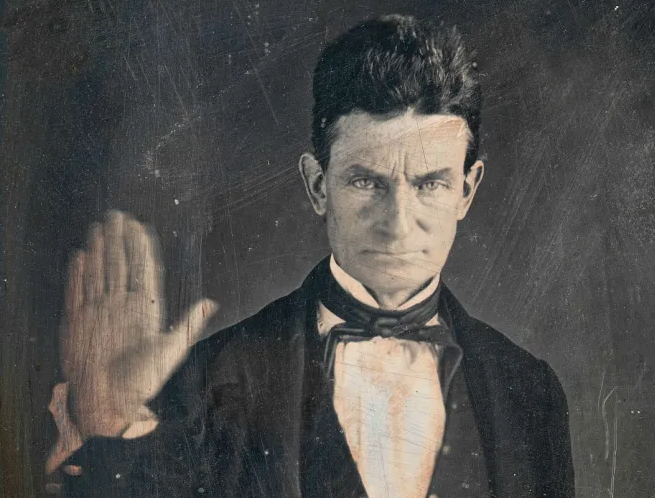
John Brown routed 75 men with 14, defended Lawrence from raiders, wrote a manual for the Underground Railroad, and began the war that ended slavery.
Frederick Douglass, talking about Brown’s actions in Kansas, wrote that one could not read the history “without feeling that the man who in all this bewildering broil was least the puppet of circumstances – the man who most clearly saw the real crux of the conflict, most definitely knew his own convictions and was readiest at the crisis for decisive action, was a man whose leadership lay not in his office, wealth, or influence, but in the white flame of his utter devotion to an ideal.”
This episode of Civilizations is all about John Brown – relying on W.E.B. Du Bois’s 1909 biography. Du Bois’s maps of Harper’s Ferry and Brown’s strategy are on the Civilizations Resources page.
AEP 73: Pakistan’s Hybrid Civil-Military Regime, with Saadia Toor
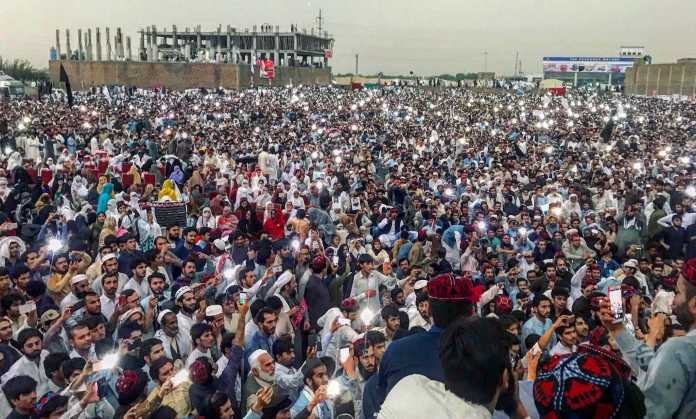
I’m joined by the Anti-Empire Project’s special correspondent for Pakistan, Saadia Toor, professor at CSI CUNY and author of the State of Islam: Culture and Cold War Politics in Pakistan. Saadia gives us a quick sweep of Pakistan’s history including the key role of the left in the many twists and turns. We get caught up all the way to Imran Khan’s hybrid civil-military regime and the inspiring youth-led Pashtun Tahafuz Movement (PTM).
Civilizations 23a – American Civil War Part 1: Abolition and distant causes
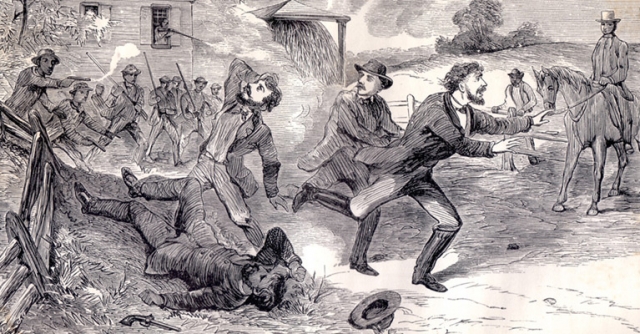
Civilizations begins our study (at least four parts) of the American Civil War. We start with the abolitionist movement in the decades before the war, and the conflict between the British Empire and the United States over abolition. This episode relies on (among other sources) Kellie Carter Jackson’s book Force and Freedom, and Gerald Horne’s book Negro Comrades of the Crown.
AEP 72: Artificial Whiteness with Yarden Katz
Step off of the Artificial Intelligence hype train with me and my guest Yarden Katz. Yarden is the author of Artificial Whiteness: Politics and Ideology in Artificial Intelligence. AI is a squishy concept, and under scrutiny it is full of imperialist and racial assumptions. We go over some of the many ideas in this idea-packed book, which I highly recommend.
Civilizations 22: German Unification and Otto von Bismarck
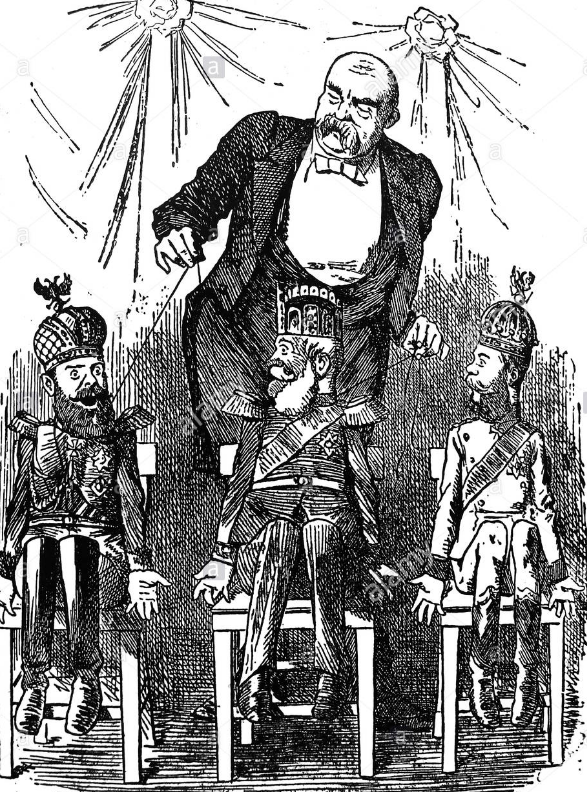
The name most associated with the unification of Germany is that of Otto von Bismarck. Bismarck was the great puppet master of Europe in the 1860s, but he may just have set things up for future conflagrations.